


Hardwood flooring is valued for its durability and appearance, but it is not immune to moisture. When exposed to water—whether suddenly or over time—wood reacts in predictable yet destructive ways. One of the most severe outcomes is buckling, where floorboards lift entirely off the subfloor, creating peaks, gaps, and uneven walking surfaces.
Hardwood floor buckling is not merely a cosmetic issue. It signals a significant moisture imbalance and, in many cases, deeper structural or environmental problems that must be addressed before repairs can succeed.
This article explains how water causes hardwood floors to buckle, how buckling differs from other moisture-related floor issues, and what steps are required to repair and prevent long-term damage.
What Is Hardwood Floor Buckling?
Buckling occurs when hardwood planks expand beyond their available space and are forced upward. Unlike minor warping, buckling causes boards to detach partially or completely from the subfloor.
This typically happens when:
Wood absorbs excessive moisture
Expansion gaps are insufficient or nonexistent
Water exposure is prolonged or severe
Once buckling begins, the floor’s integrity is compromised, and simple surface fixes are rarely effective.
How Water Damage Causes Hardwood Floors to Buckle
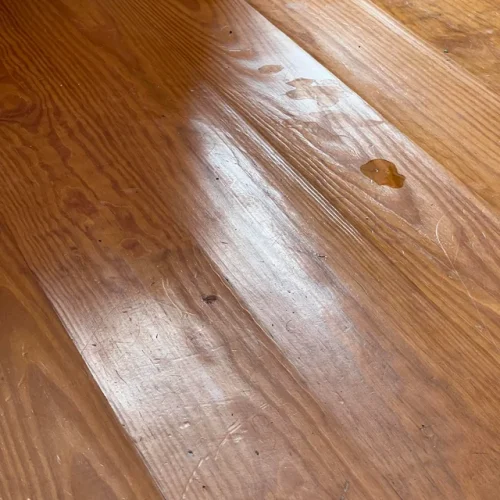

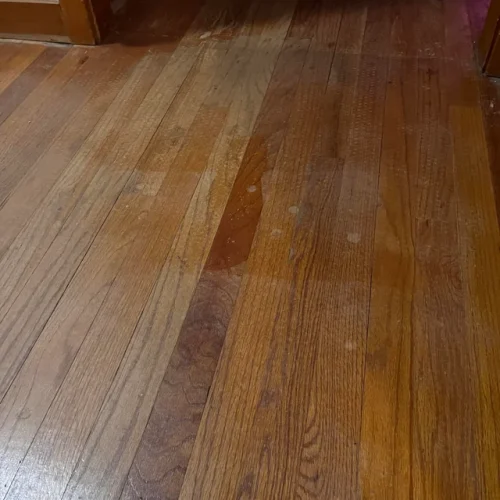
Wood is hygroscopic, meaning it absorbs and releases moisture based on its environment. Problems arise when moisture levels rise faster than the wood can adapt.
Rapid Moisture Absorption
Sudden water events—such as burst pipes, appliance leaks, or flooding—allow water to seep beneath the floorboards. As the wood absorbs moisture, it expands. If expansion space is inadequate, boards push against each other and lift upward.
Trapped Moisture Beneath the Floor
Water does not need to be visible to cause damage. Moisture trapped between the hardwood and subfloor creates sustained high humidity, preventing boards from drying evenly. This imbalance accelerates buckling.
Subfloor Saturation
When plywood or concrete subfloors absorb water, they release moisture upward into the hardwood. Even after surface water is removed, the subfloor can remain wet for weeks, continuing to feed the problem.
Buckling vs. Cupping vs. Crowning
Understanding these distinctions helps determine whether repair or replacement is required.
Buckling
Boards lift entirely off the subfloor
Often sudden and dramatic
Usually requires board removal or replacement
Cupping
Board edges rise higher than the center
Common with moderate moisture exposure
May resolve if moisture is corrected early
Crowning
Board center rises above edges
Often occurs after sanding a cupped floor before drying
Indicates moisture imbalance below the surface
Buckling is the most severe of the three and almost always indicates a serious moisture issue.
Common Sources of Water Damage Affecting Hardwood Floors
Hardwood floor buckling can originate from multiple sources, many of which are overlooked.
Plumbing Failures
Burst or leaking pipes
Slow leaks beneath sinks or appliances
Radiant heating system failures
Appliance Malfunctions
Dishwashers and refrigerators with hidden leaks
Washing machine overflows
Water heater failures
Weather and Environmental Factors
Flooding and heavy rainfall
Roof leaks allowing water to travel through walls
High indoor humidity without proper ventilation
Improper Installation
No expansion gaps at walls
Flooring installed over wet subfloors
Lack of moisture barriers
Improper installation significantly increases the likelihood that any water exposure will result in buckling.
Early Warning Signs Before Buckling Occurs
Buckling rarely happens without warning. Identifying early signs can prevent extensive damage.
Visual Changes
Gaps closing between boards
Subtle rippling across the floor
Darkening or staining near seams
Physical Sensations
Floors feeling tight or under pressure
Slight vertical movement when walking
Increased creaking or popping sounds
Environmental Clues
Persistent indoor humidity above normal levels
Musty odors indicating trapped moisture
Recurrent condensation near flooring edges
Addressing moisture at this stage can often prevent full buckling.
Is Buckled Hardwood Flooring Dangerous?
Yes. Buckled floors create uneven surfaces that increase fall risk and can stress fasteners and subfloor systems. In severe cases, sharp board edges or sudden board movement pose safety hazards.
Organizations such as FEMA consistently warn that water-damaged building components can become unsafe even before visible collapse occurs.
Can Buckled Hardwood Floors Be Repaired?


The answer depends on severity, duration of moisture exposure, and subfloor condition.
Situations Where Repair May Be Possible
Buckling is localized
Moisture source is quickly resolved
Boards have not permanently deformed
Subfloor remains structurally sound
In these cases, professionals may remove affected boards, dry the area thoroughly, and reinstall or replace sections.
Situations Requiring Full Replacement
Widespread buckling across rooms
Mold growth beneath flooring
Delamination or cracking of boards
Long-term subfloor saturation
Attempting to save severely damaged flooring often leads to repeat failure.
Why DIY Fixes Usually Fail
Homeowners often attempt temporary fixes such as weighting down boards or running fans on the surface. These approaches do not address moisture trapped below the floor.
Common mistakes include:
Sanding before moisture levels normalize
Reinstalling boards over damp subfloors
Ignoring humidity control
Professional moisture measurement and controlled drying are essential for lasting repairs.
The Role of Professional Water Damage Restoration
Certified restoration professionals follow established standards, such as those from Institute of Inspection Cleaning and Restoration Certification, to ensure moisture is fully removed before repairs begin.
A proper process includes:
Identifying and stopping the water source
Measuring moisture in flooring and subfloor
Controlled drying using professional equipment
Structural and material assessment
Repair or replacement based on findings
Skipping steps often results in recurring damage.
Insurance Coverage for Buckled Hardwood Floors
Coverage depends on the cause of water damage.
Typically covered:
Sudden plumbing failures
Appliance malfunctions
Often excluded:
Long-term leaks
Gradual humidity issues
Poor maintenance or installation
The Insurance Information Institute provides guidance on how insurers evaluate water-related flooring claims. Prompt documentation and professional assessments improve claim outcomes.
Preventing Hardwood Floor Buckling in the Future
Prevention focuses on moisture control and proper installation.
Key Preventive Measures
Maintain indoor humidity between 30–50%
Use moisture barriers where recommended
Ensure proper expansion gaps during installation
Address leaks immediately, no matter how small
Avoid wet-mopping hardwood floors
For homes in humid or flood-prone areas, engineered hardwood or alternative flooring may offer greater resilience.
Long-Term Impact on Home Value
Buckled hardwood floors signal moisture problems that concern buyers, inspectors, and insurers. Even after repair, documented water damage can affect resale value if not properly addressed.
Transparent repairs, moisture testing records, and professional documentation help preserve trust and value.
Final Thoughts
Hardwood floor buckling from water damage is a clear warning sign that moisture has overwhelmed the flooring system. While the visual damage is obvious, the real risk often lies beneath the surface, where trapped moisture continues to affect subfloors and structural components.
Effective repair requires more than cosmetic fixes. Identifying the source, restoring proper moisture balance, and making informed decisions about repair versus replacement are the only reliable paths to a stable, long-lasting floor.
When water is involved, early action is the difference between a manageable repair and a full flooring loss.
Yes. High humidity or moisture beneath the floor can cause buckling even if surface water is never seen.
Buckling can occur within days after significant water exposure, especially if expansion space is limited.
No. They help control air moisture but do not remove trapped water beneath flooring.
Only in very mild cases. Most buckled floors require board removal or replacement.