
When a fire, burst pipe, or flood damages your home, the claim you eventually get paid depends less on how bad the damage looks and more on how well you prove it. Insurance adjusters can only approve what the evidence supports, and incomplete documentation is one of the most common reasons claims get delayed, underpaid, or denied. This guide walks Los Angeles County homeowners and property managers through exactly what to capture, in what order, and how to organize it so your insurance company has no reason to push back.
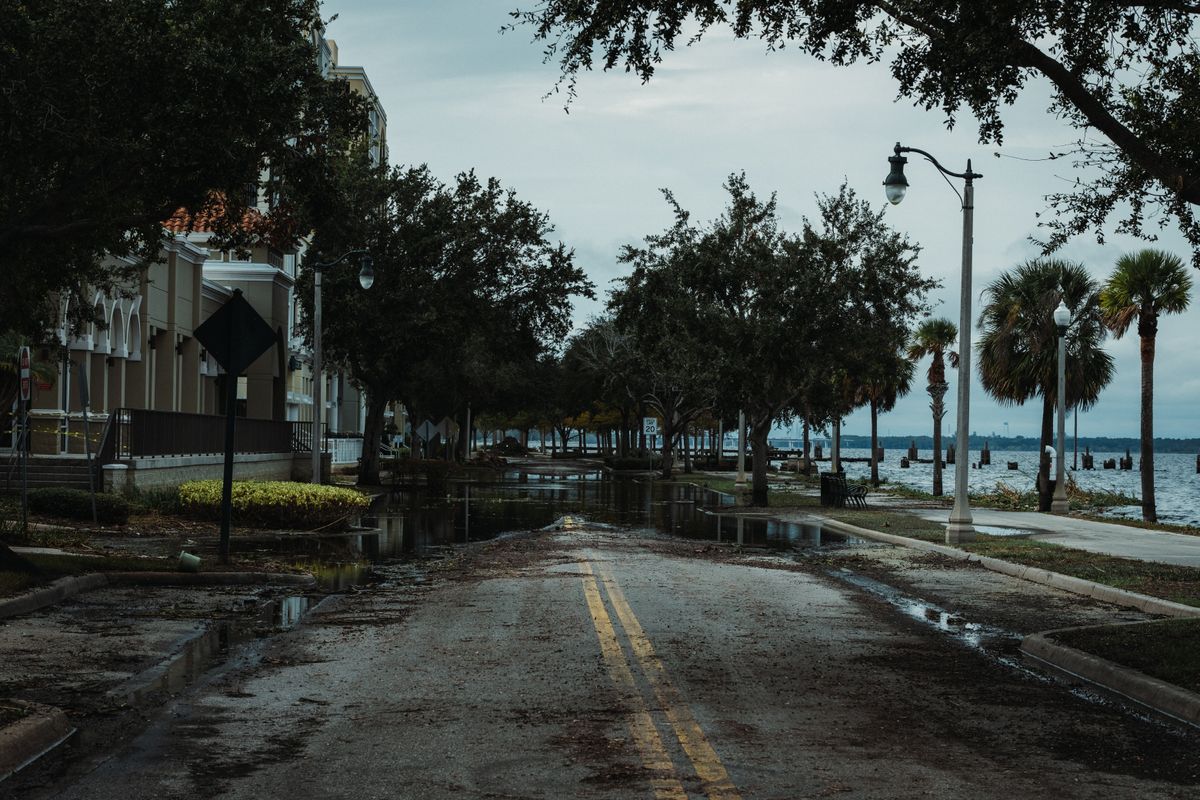
Why Documentation Determines Your Claim Outcome
Insurance adjusters are not in your home when the damage happens. Everything they know about your loss comes from what you and your restoration contractor hand them: photos, moisture readings, receipts, and a timeline. Treat this material like evidence for a claim file, not casual phone snapshots. If a photo isn’t timestamped, labeled, and tied to a specific room or item, an adjuster has grounds to question it, and vague or missing records are one of the fastest ways a payout gets reduced.
Good documentation does three things for you: it proves the damage happened and when, it proves the extent of the damage before any cleanup or repairs, and it supports the cost of restoring or replacing what was lost.
Before You Touch Anything: Immediate Steps
- Confirm it’s safe to enter. After a fire, wait for the fire department to officially clear the property. After flooding, check for electrical hazards and structural damage before walking through.
- Document first, mitigate second. A five-to-ten-minute photo and video sweep before you move anything is usually enough. Insurance policies also require you to take reasonable steps to prevent further damage (shutting off water, tarping a roof, boarding windows), so document the initial damage, then act to stop it from getting worse.
- Notify your insurance company promptly. Most homeowner policies require notice within 24-48 hours of discovering the damage. Note the date, time, and name of whoever you spoke with.
- Keep damaged items on-site. Don’t throw anything away until your adjuster or restoration contractor has seen and photographed it, even items that seem obviously ruined.
Photo and Video Documentation Checklist
Work room by room and be methodical. A simple pattern that holds up well with adjusters:
- Wide shots first. Capture each affected room from multiple angles before touching anything.
- Close-ups second. Get detailed shots of specific damage: charring, soot, water lines on walls, warped flooring, damaged fixtures.
- Include a scale reference. A tape measure or common object in frame helps establish the size of the damage.
- Record a walkthrough video. Narrate what you’re seeing as you move through the property; a verbal timestamp reinforces your written timeline.
- Photograph the source, if visible. A burst pipe, the point of origin of a fire, or a failed appliance, since insurers often need to establish the cause.
- Text or email yourself photo batches as you go. This creates a timestamped record independent of your phone’s internal metadata.
Written Records Adjusters Expect
Photos alone aren’t enough. Pair them with:
- A written timeline of when the damage was discovered, when you reported it, and every communication with your insurer or contractor afterward.
- A detailed inventory of damaged items, including description, brand, model or serial number, approximate purchase date, original cost, and condition. A room-by-room diagram of your home makes this easier to build without missing anything.
- Copies of receipts for the damaged items where you have them, plus any receipts generated after the loss (temporary repairs, hotel stays, supplies).
- A dedicated claim folder, physical or digital, where every photo, note, and receipt lives in one place so nothing gets lost between now and settlement.
If you’re displaced from your home, most policies cover additional living expenses like hotel bills and meals under “loss of use” coverage. Track and save every receipt related to this separately, since it’s often reimbursed under a different part of the policy than the property damage itself.
Documenting Water Damage: What Adjusters Look For
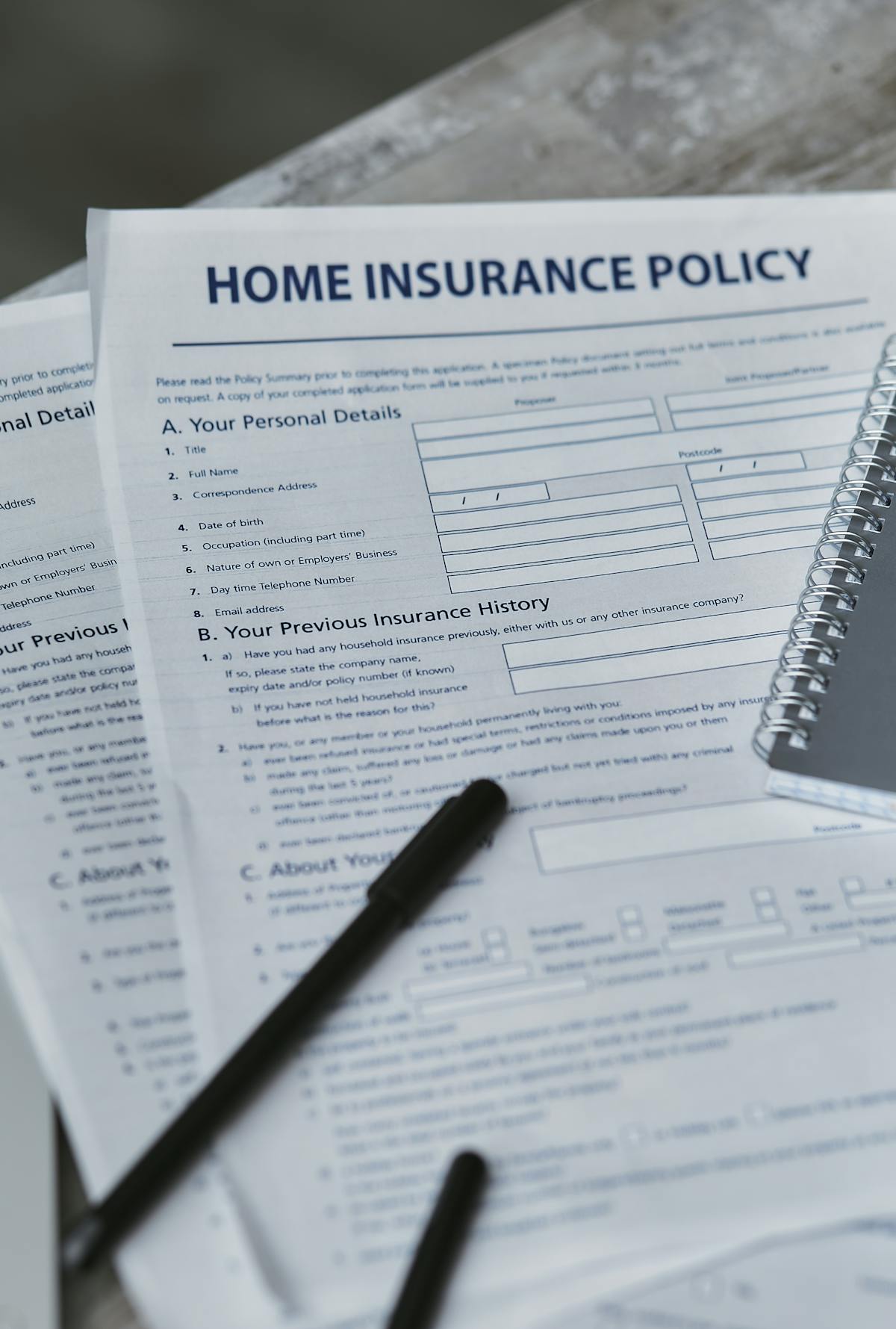
Water damage claims are won or lost on details that aren’t visible in a quick photo. Restoration professionals working to the IICRC S500 standard, the industry benchmark for water damage restoration, document three things adjusters specifically want to see:
- Moisture readings taken with a moisture meter at the time of loss and throughout drying, which prove hidden damage inside walls and under flooring that isn’t visible to the eye.
- The water category (clean water, gray water, or contaminated black water), which affects what materials can be dried versus what must be removed and replaced.
- A daily drying log showing progress toward industry-defined dry standards, which protects you against future mold claims and gives the adjuster confidence the mitigation was done correctly rather than “it looks dry now.”
Without these readings on file, insurers sometimes push back on drying time, equipment costs, or the need to remove materials that appear fine on the surface but are still wet underneath.
Documenting Fire and Smoke Damage: What Adjusters Look For
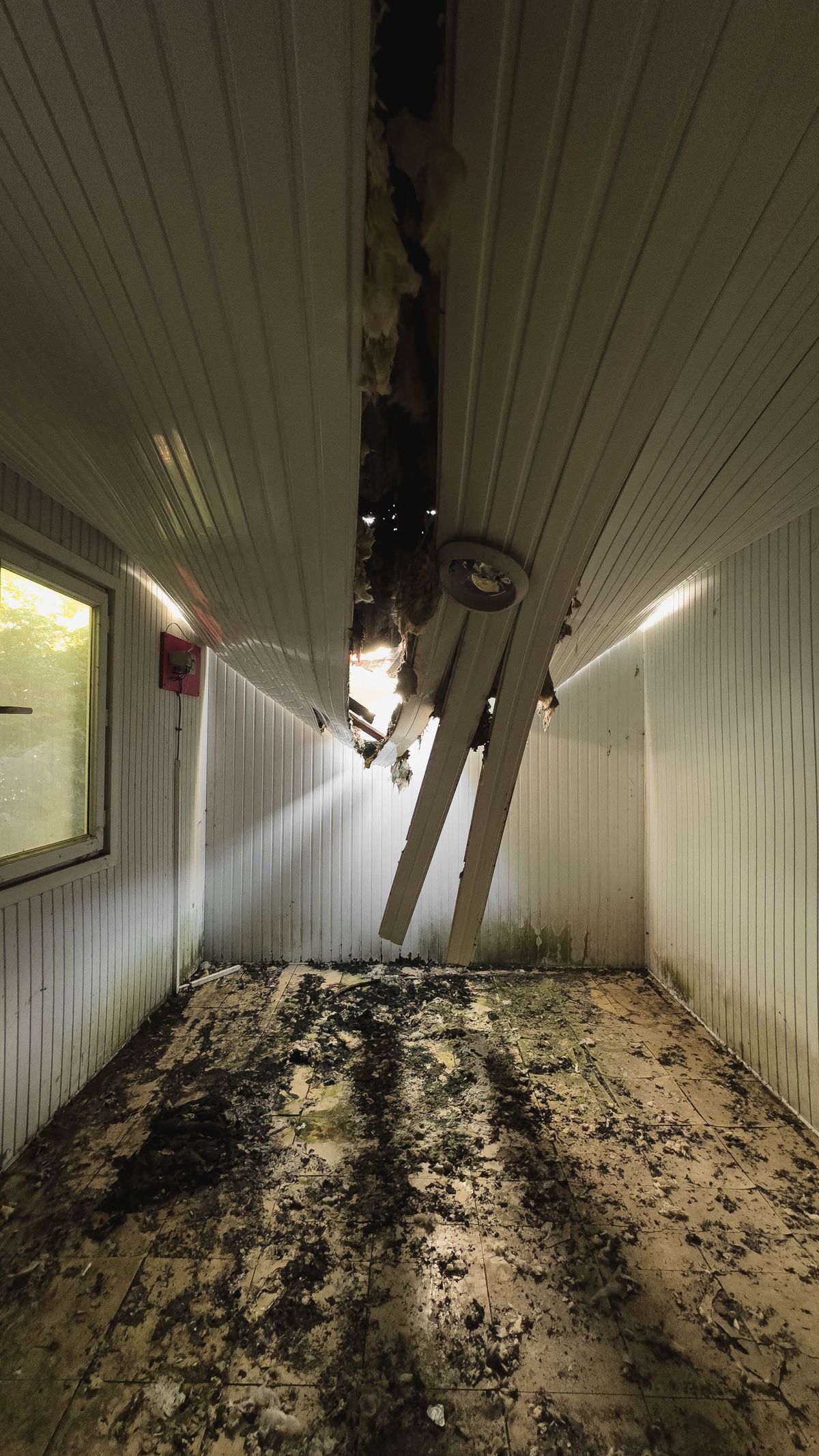
Fire claims involve damage that’s often more extensive than what’s visible after the flames are out. Focus your documentation on:
- Soot and smoke patterns throughout the home, not just the room of origin. Smoke travels through HVAC systems and can contaminate rooms far from the fire itself.
- HVAC and duct contamination, since ductwork frequently needs professional cleaning or replacement after a fire even when it isn’t visibly damaged.
- Structural and hidden damage behind walls, in the attic, or under flooring, which may require a contractor to identify and document before repairs begin.
- Water damage from firefighting efforts, which is common and often overlooked, since fire suppression can soak areas of the home that weren’t touched by flames.
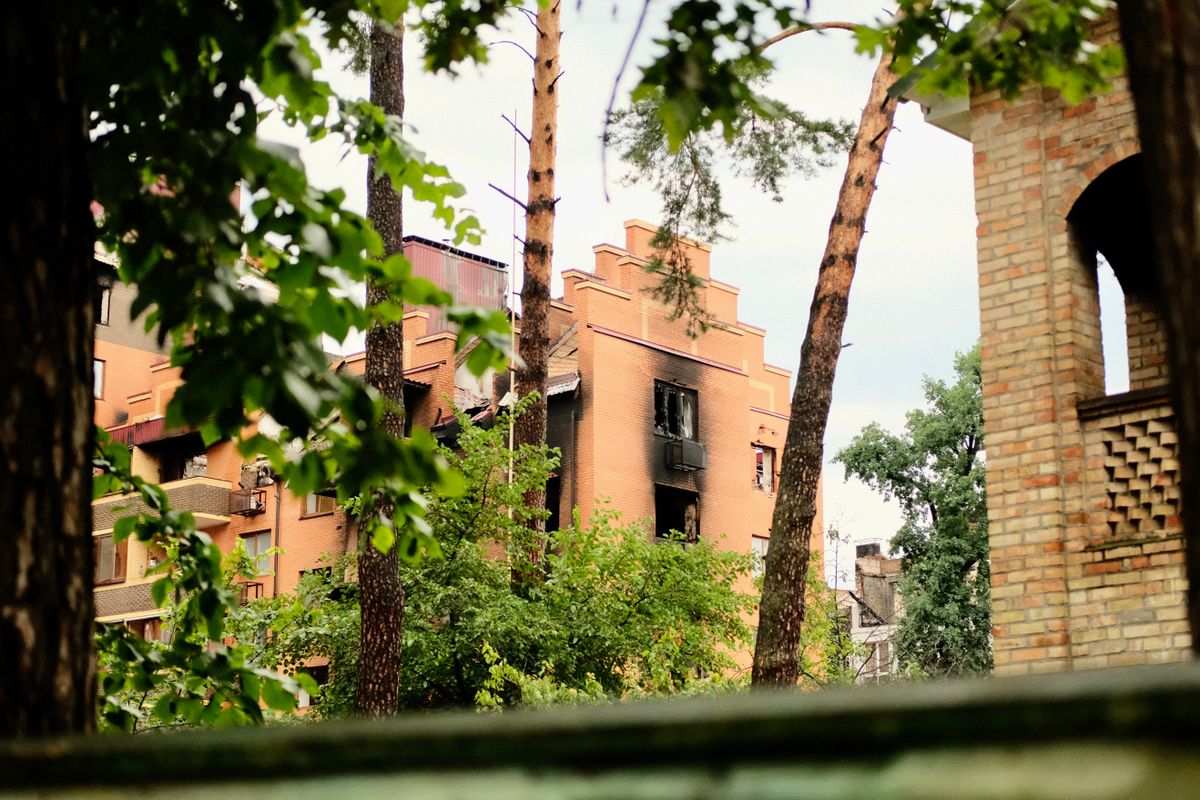
Working With Your Insurance Company
- Report the loss promptly and get a claim number and adjuster contact on record.
- Meet the adjuster in person if possible, and walk them through your documentation rather than just emailing a folder of files.
- Get estimates in writing from your restoration contractor, and make sure they match the scope of what you’ve documented.
- Understand your duty to mitigate. Most policies require you to take reasonable steps to prevent further damage. Failing to secure a property, stop an active leak, or ventilate after a fire can give an insurer grounds to reduce or deny part of a claim.
- Keep every piece of correspondence, including emails, letters, and notes from phone calls.
Common Mistakes That Get Claims Reduced or Denied
- Cleaning up or throwing away damaged items before they’re photographed or inspected
- Reporting the damage days or weeks after it happened
- Relying on memory instead of a written inventory
- Skipping moisture readings and drying logs on water damage claims
- Not tracking additional living expenses separately from property damage
- Assuming “it looks dry” or “it looks fine” without a professional assessment
How Professional Restoration Documentation Strengthens Your Claim
A qualified restoration contractor does more than clean up and repair. IICRC-certified technicians document moisture readings, soot patterns, and drying progress the way adjusters expect to see them, and can communicate directly with your insurance company on technical points you may not be equipped to argue yourself.
At Alpha Construction & Restoration, our insurance claim assistance is part of how we handle every water damage, fire damage, and mold project across Los Angeles, Santa Clarita, Pasadena, Glendale, Burbank, Santa Monica, Arcadia, and Alhambra. We photograph, measure, and log the damage from the first inspection, prepare detailed estimates, and work directly with adjusters so nothing in your claim gets overlooked. You always have the final say; our role is to make sure your documentation holds up and your restoration is done right.
See our damage restoration services or check if we serve your area on our service area page.
Frequently Asked Questions
[rank_math_rich_snippet id=”s-48346b45-d977-454f-96a7-58dd5d5e6b03″]
Get Help Documenting and Filing Your Claim
If you’re dealing with fire, smoke, or water damage anywhere in Los Angeles County, Alpha Construction & Restoration can inspect your property, document the damage the way your insurance company expects, and manage the restoration from start to finish. Call (626) 466-8191 for a free inspection, available 24/7.
References
- IICRC. S500 Standard for Professional Water Damage Restoration. https://iicrc.org/s500/
- United Policyholders. Insurance Claim Tips for Partial Loss Fires. https://uphelp.org
- U.S. Environmental Protection Agency. A Brief Guide to Mold, Moisture, and Your Home. https://www.epa.gov/mold