Los Angeles County is back under red flag warning conditions this week, with critical fire weather stretching across the 5 Freeway corridor and into many of the foothill communities Alpha Construction & Restoration serves every day. A wildfire does not have to reach your property line to damage it. Smoke alone can settle into HVAC systems, upholstery, and drywall, and it does so faster than most homeowners realize.
Wildfire smoke damage prevention means acting before and during high fire-risk days, not after smoke has already settled indoors. The fastest, most effective steps are closing up your home’s air pathways, upgrading your HVAC filter to at least MERV 13, running a HEPA air purifier in the rooms you use most, and avoiding activities that stir up dust while outdoor air quality is poor.

Why This Week’s Red Flag Warning Matters for Your Home
The National Weather Service issued a red flag warning for Los Angeles County from midday Wednesday through Thursday morning, covering the 5 Freeway corridor with triple-digit heat, low humidity, and winds gusting 30 to 50 mph. Under those conditions, a new ignition can spread quickly and unpredictably. Even when a fire stays miles from your street, wind carries fine smoke particles and ash well beyond the burn area, and that smoke gets pulled directly into a house through open windows, gaps around doors, and a central HVAC system’s fresh-air intake.
How Wildfire Smoke Actually Gets Into a Home
Smoke does not need an open door to get inside. It finds its way in through HVAC intakes, gaps around window and door frames, chimney flues, attic vents, and foundation vents. Once inside, the fine particulate matter and gases in wildfire smoke, including compounds like benzene, settle into carpet, fabric, and HVAC ductwork, where residues can keep releasing odor for weeks after the smoke outside has cleared.
Wildfire Smoke Damage Prevention Checklist Before a Red Flag Warning
- Upgrade your HVAC filter. Use the highest MERV-rated filter your system’s fan can handle, ideally MERV 13, before smoke season peaks.
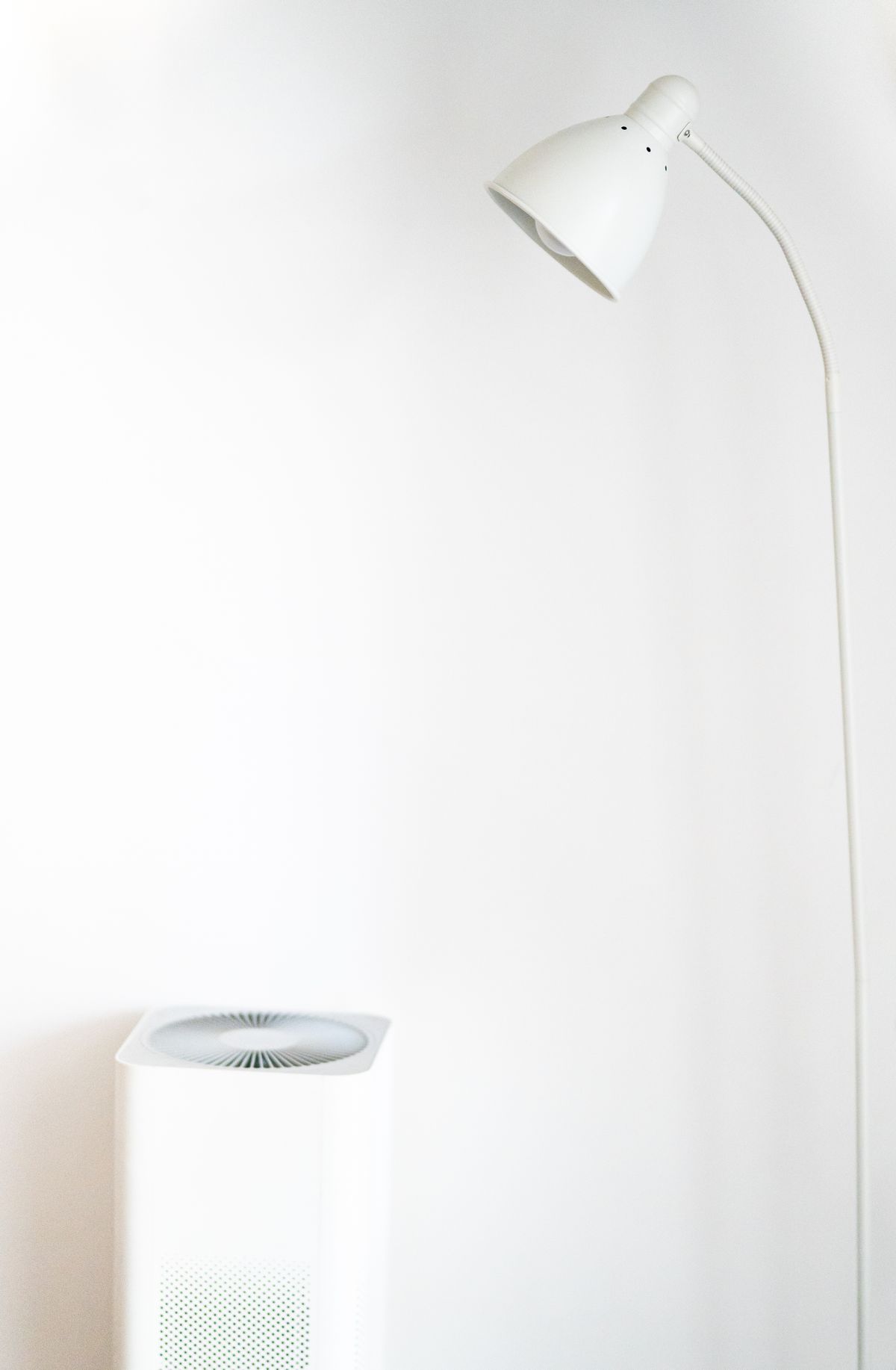
- Have a portable air purifier ready. A HEPA unit with an activated carbon stage in your bedroom and main living space makes the biggest difference during multi-day smoke events.
- Weatherstrip doors and windows. Seal obvious gaps now, while you have time to do it properly.
- Know your HVAC’s recirculate setting. Confirm you can switch it to recirculate indoor air instead of pulling in smoky outside air.
- Keep N95 masks on hand for anyone who needs to be outside during poor air quality.
- Photograph your interior rooms and valuables now, before any damage occurs, so you have a clear baseline for insurance documentation if you ever need it.
During Active Smoke Conditions: What to Do
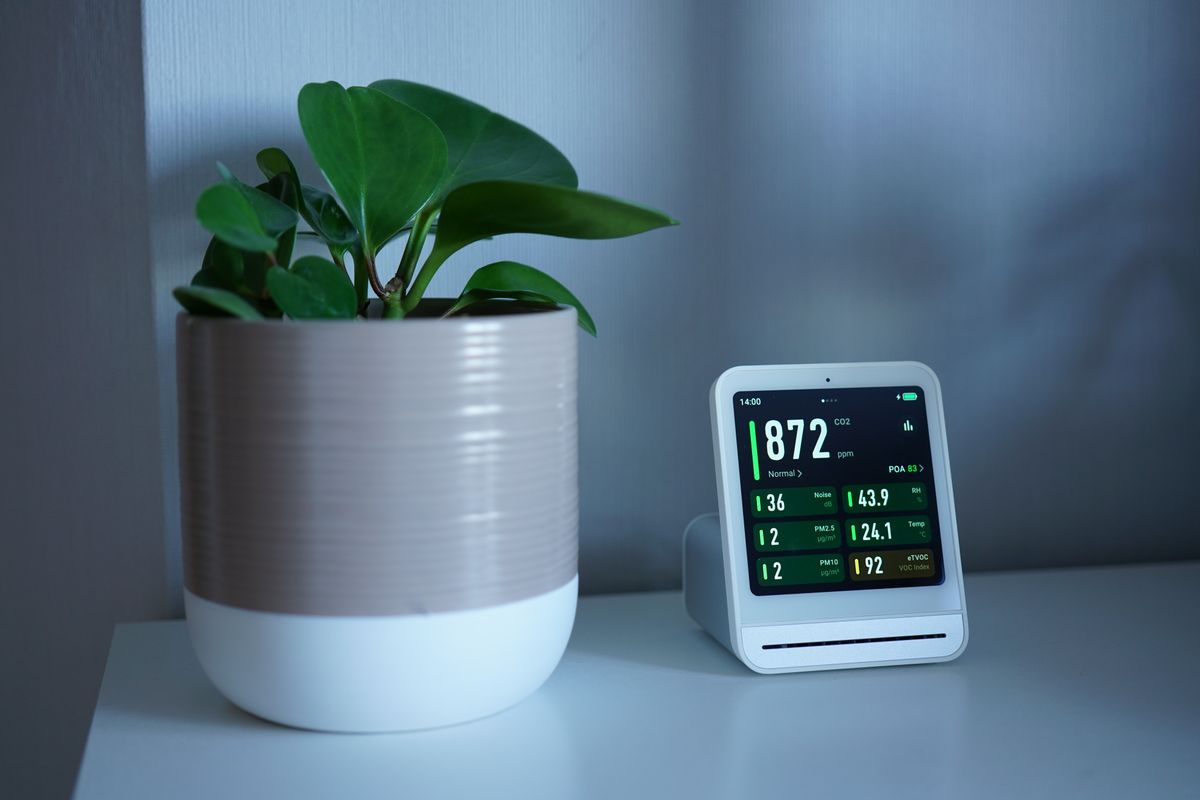
Keep windows and doors closed and switch your HVAC system to recirculate rather than drawing in outside air. Run portable air purifiers continuously in the rooms you spend the most time in. Avoid burning candles, frying food, or vacuuming, since all of these stir up particles that are already elevated indoors. Check a local air quality resource such as AirNow or California’s Smoke Ready program before deciding it is safe to ventilate again. If you can still smell smoke indoors despite these precautions, that is often a sign it has already worked into your ductwork and soft surfaces.
HVAC Filter Ratings for Wildfire Smoke
| MERV Rating | What It Captures | Best For |
|---|---|---|
| MERV 4–8 (standard) | Dust, lint, pollen, large particles | Everyday household use, not smoke events |
| MERV 11–12 | Smaller dust, pet dander, some smoke particles | Moderate air quality concerns |
| MERV 13 | Fine smoke particles (PM2.5) and most airborne contaminants | Wildfire smoke events (recommended minimum) |
| MERV 16+ / HEPA | Nearly all fine particulates | Portable HEPA units; rarely compatible with standard residential HVAC fans |
After the Smoke Clears: Cleaning Up Without Making It Worse
Mist hard surfaces lightly with water before wiping them down, which keeps settled ash and particulate matter from becoming airborne again. Avoid vinegar and harsh chemical cleaners, since they can react with chemical residues in wildfire ash. Plain soap and water is usually enough for hard surfaces. If your home had heavy smoke exposure, have your HVAC ductwork professionally inspected, since residue trapped inside the system can keep releasing odor long after the air outside is clear. Upholstery, carpet, and other porous materials that still smell like smoke after basic cleaning usually need professional deep cleaning rather than repeated home treatments.
Common Mistakes Homeowners Make During Smoke Events
- Cracking a window “for fresh air” on a day when outdoor air quality is worse than indoor air.
- Relying on a standard 1-inch fiberglass HVAC filter, which does almost nothing to stop fine smoke particles.
- Waiting until there is a noticeable odor before checking for damage, by which point residue is often already embedded in porous materials.
- Assuming smoke damage is not covered by insurance simply because the fire itself never reached the house.
Is Smoke Damage From a Nearby Wildfire Covered by Insurance?
Standard California homeowners policies generally treat smoke damage as a sudden, covered peril, but with premiums and deductibles both rising statewide, insurers are scrutinizing claims more closely than they used to. Documentation matters more than ever. California’s new Smoke Damage Recovery Act is also starting to set clearer testing and restoration standards for smoke-damaged homes, which should help reduce disputes over what counts as legitimate damage. If you are filing a claim, our guide on documenting fire and water damage for an insurance claim walks through what adjusters actually need to see.
Frequently Asked Questions
Does a red flag warning mean I need to evacuate?
Not automatically. A red flag warning means conditions favor rapid fire spread if an ignition occurs, not that a fire is currently burning near you. Monitor official alerts from LA County and city emergency services, and be ready to act quickly if a warning escalates into an evacuation order.
Can wildfire smoke damage my home even if the fire stays miles away?
Yes. Fine smoke particles and ash travel well beyond the fire perimeter and can infiltrate a home through HVAC systems, vents, and small gaps, leaving odor and residue on surfaces and inside ductwork even when no flames ever came close.
What MERV rating should I use for wildfire smoke?
MERV 13 is the recommended minimum for filtering fine wildfire smoke particles. Use the highest rating your HVAC system’s fan can handle without restricting airflow, and pair it with a portable HEPA unit in rooms where you spend the most time.
Is wildfire smoke damage covered by homeowners insurance in California?
Most standard policies cover smoke damage as a sudden, unexpected event, but coverage details and documentation requirements vary by insurer. Review your policy before fire season peaks and keep dated photos of your home’s condition as a baseline.
How soon should I clean up after a smoke event?
Sooner is better, since smoke residue becomes harder to remove the longer it sits, especially on porous materials. For light exposure, basic cleaning soon after the air clears is usually enough. For heavy or prolonged exposure, have the property assessed before extensive DIY cleaning.
Do I need a professional for smoke odor removal, or can I do it myself?
Light surface dusting is fine to handle yourself. Odor embedded in HVAC ductwork, insulation, carpet padding, or wall cavities usually requires professional remediation equipment to fully resolve, rather than repeated home cleaning attempts.
Wildfire smoke damage prevention is not a one-time task. Red flag days will keep returning to LA County through the rest of fire season. The homes that come through smoke events with the least damage are usually the ones that treated air sealing and filtration as routine preparation, not a last-minute scramble once smoke was already visible outside.
Sources: U.S. EPA, Wildfires and Indoor Air Quality; California Air Resources Board, Smoke Ready California; National Weather Service, Los Angeles/Oxnard; California Department of Insurance, Smoke Damage Recovery Act.