
Does homeowners insurance cover mold in California? Sometimes. A standard policy usually does not cover mold on its own, but it often pays for mold that grows after a covered, sudden event such as a burst pipe or a ruptured water heater, and the payout is frequently capped well below the real cost of cleanup. Whether you are covered depends less on the mold itself than on where the water came from and how quickly it was dealt with.
This guide explains the rules in plain terms: when mold is usually covered, why the caps surprise people, what changes for California FAIR Plan policyholders, and what to do in the first two days to protect both the house and the claim. It matters more than usual this winter. NOAA’s Climate Prediction Center put the chance of a very strong El Niño this fall and winter above 90%, with the wettest conditions for coastal California expected from January through March.

Does homeowners insurance cover mold? The short answer for California
The California Department of Insurance lists mold among the items that are “not usually covered by a homeowner’s policy,” alongside flood, earthquake and wear and tear. Industry guidance adds an important exception: mold is generally excluded unless it stems from a covered claim. In practice, the question an adjuster asks is not “is there mold?” but “what caused the moisture?”
| What caused the moisture | Mold usually covered? | Why |
|---|---|---|
| Burst pipe, ruptured water heater, sudden appliance failure | Often yes, up to the mold limit | The water event is a covered peril, so mold that follows from it can be covered |
| Water used to put out a fire | Often yes | The fire is the covered cause and the firefighting water is part of that loss |
| Storm water entering through a damaged roof or window | Depends on the policy | Coverage turns on whether the opening was caused by a covered event and whether the policy covers wind-driven rain |
| Long-term leak behind a wall or under a tub | Usually no | Gradual leaks and deferred maintenance are commonly excluded |
| High indoor humidity or condensation | No | Treated as a maintenance issue, not a sudden loss |
| Flooding from outside, such as rising stormwater | No, under a standard policy | Flood is excluded unless you carry separate flood insurance |
Two details sit behind that table. First, mold caused by neglect or poor upkeep is likely to be denied. Second, waiting makes things worse: a claim can be denied if you did not act promptly once the leak was obvious. Our own guide to how to document fire and water damage for your insurance claim shows what to photograph before anything is touched.
The mold sublimit: the cap that catches most homeowners off guard
Even when mold is covered, the limit is often small. Industry sources put typical mold limits at roughly $1,000 to $10,000, and a California policyholder-side law firm describes endorsements that cap remediation at $5,000 and mold-related repairs at $10,000, with no payment for personal property or health effects. Those caps may not appear on the declarations page; they can sit in an endorsement further back in the policy.
That matters because cleanup can cost far more than the cap. ValuePenguin’s reporting puts whole-house mold remediation at $15,000 to $30,000. The difference between the cap and the invoice is yours to pay, which is why it is worth reading the endorsement section of your policy before you ever need it.
What the California FAIR Plan covers, and what it does not
If your home is insured through the California FAIR Plan, the picture is narrower. A base FAIR Plan policy excludes water damage of any kind, including burst pipes and roof leaks, and it covers mold only when the mold results directly from a covered peril such as fire or smoke. Mold from water intrusion, flooding or humidity receives no coverage under a standard FAIR Plan policy.
Many FAIR Plan homeowners add a Difference in Conditions (DIC), or “wrap-around,” policy to fill those gaps. A DIC can add coverage for pipe bursts and appliance malfunctions and sometimes covers mold in specific circumstances, but terms vary, so ask for the mold wording in writing. If you are weighing the cost of that setup, our summary of the California FAIR Plan rate increase for 2026 covers what is changing in premiums.
When an insurer denies mold, the cause-of-loss argument
Insurers often cite the mold exclusion, and policyholder lawyers often answer with the “efficient proximate cause” rule. California Insurance Code section 530 says an insurer is liable for a loss when a covered peril was the proximate cause. Under that reasoning, if a covered burst pipe is the main cause and the wall has to be opened and dried regardless, the insurer should not use the mold exclusion to refuse the repair.
The law here is not settled in the homeowner’s favor. In De Bruyn v. Superior Court (2008), the court said insurers may limit coverage for some manifestations of water damage, and commentary from policyholder-side firms describes that decision as sitting uneasily with the proximate-cause rule. Treat this as a reason to document the water event carefully and to get legal advice on a denial, not as a guarantee of payment. This article is general information, not legal advice.
Why this winter raises the stakes
The forecast matters for mold because the most common storm-related path is roof or window leakage followed by a slow, hidden soak. Standard policies generally exclude flooding, and the Department of Insurance’s September 23 consumer alert reminded Californians that most homeowners and renters policies do not cover it, while noting that some policies may cover certain water damage caused by wind-driven rain. Flood policies generally take effect 30 days after purchase.
So a leak that comes through the roof may be treated very differently from water that comes in at the door, and mold that follows each can be treated differently again. Our El Niño water damage guide for Los Angeles walks through how to tell which type of water you are dealing with.
The first 48 hours: protect the house and the claim
EPA’s guidance for water-damaged buildings frames its first response around the first 24 to 48 hours, and notes that this is a guideline and that mold does not always appear after 48 hours. The same window is a useful one for the claim.
- Stop the source if it is safe to do so. Shut off the water at the main or the fixture. Do not enter standing water if power may be on.
- Photograph and video everything before moving anything. Include the source of the water, damaged materials, serial numbers on failed appliances and a wide shot of each affected room.
- Report the loss right away. Late reporting is a common reason for denial. Write down the date, time, claim number and the name of everyone you speak to.
- Start drying. Open windows, run fans or a dehumidifier, and remove standing water. Reasonable mitigation is part of your duties under most policies, and delays can make mold worse.
- Keep samples and receipts. Save damaged materials where practical until the adjuster has seen them, and keep every receipt for drying equipment and emergency work.
- Ask for the full policy. Request a complete copy, including endorsements, and read the mold, fungi and water-damage sections.
- Do not paint or caulk over mold. EPA advises cleaning and drying first, because paint over mold tends to peel.

On size: EPA says mold covering less than about 10 square feet, roughly a 3 by 3 foot patch, can usually be cleaned by the homeowner. Larger growth, significant water damage, sewage or contaminated water, a possibly contaminated HVAC system, or health concerns point toward a professional assessment. Porous items such as ceiling tiles and carpet may need to be thrown out. If sewage was involved, our article on whether homeowners insurance covers sewage backup in California explains the separate coverage question.
California claim deadlines worth knowing
California’s Fair Claims Settlement Practices Regulations give you clock-based rights once you file. The figures below come from the regulations as published; your own policy may add its own notice and proof-of-loss requirements.
| Step | Deadline | Regulation |
|---|---|---|
| Insurer acknowledges your claim | 15 days | 10 CCR 2695.5(e) |
| Insurer accepts or denies after proof of claim | 40 calendar days | 10 CCR 2695.7(b) |
| Written notice if more time is needed | Before day 40, then every 30 days | 10 CCR 2695.7(c)(1) |
| Payment after acceptance | 30 calendar days | 10 CCR 2695.7(h) |
A denial of a first-party claim must be in writing, list every basis for the denial, and reference the policy provision relied on. It must also tell you that you can have the matter reviewed by the California Department of Insurance. The Department’s consumer hotline is 800-927-4357. Policies can also set a suit-limitation period, commonly one year from the loss for fire policies under Insurance Code section 2071 and tolled while the claim is being investigated, so check your policy for the exact wording.
Stopping the “gradual damage” denial before it starts
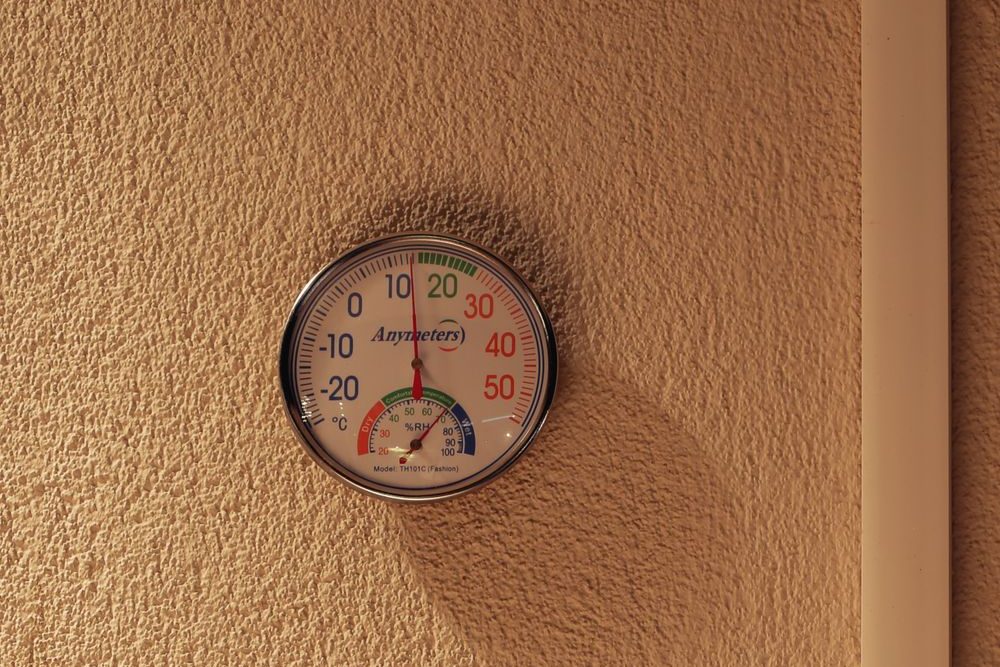
Because insurers separate sudden losses from slow ones, much of the protection is routine upkeep that also leaves a paper trail. Keep indoor humidity between 30% and 60%, which a small wall hygrometer will show at a glance. Inspect and replace dishwasher, refrigerator and washing machine hoses about every five years. Fix drips under sinks and around tubs promptly, and keep dated photos and receipts when you do.
Frequently asked questions
Does homeowners insurance cover mold removal after a burst pipe?
Often, yes, up to your policy’s mold limit. Mold that follows a covered sudden water event is usually treated as part of that loss. The limit can be low, commonly $1,000 to $10,000, so confirm the amount in your endorsements before relying on it.
Does homeowners insurance cover mold from a roof leak?
It depends on what caused the roof opening and what your policy says about wind-driven rain. A leak from storm damage may be covered, while a leak from worn roofing or deferred repairs commonly is not. Reporting quickly and documenting the opening helps.
Does the California FAIR Plan cover mold?
Only when the mold results directly from a covered peril such as fire or smoke. Mold from water intrusion, flooding or humidity is not covered under a standard FAIR Plan policy. A DIC policy may fill part of that gap, so check its mold wording.
How much does mold remediation cost?
Whole-house remediation can run $15,000 to $30,000, according to ValuePenguin. Small, contained areas cost much less. Size, the moisture source and how much drywall, flooring or framing must be removed drive the price.
What can I do if my mold claim is denied?
Ask for the denial in writing with the policy provisions cited, review your full policy, and contact the California Department of Insurance consumer hotline at 800-927-4357. A California attorney who handles property claims can advise on a denial or delay.
So, does homeowners insurance cover mold in California? It rarely comes down to a plain yes or no. It comes down to the cause of the water, the limit in your endorsements, the speed of your response and the quality of your records, and each of those is easier to settle before a storm than after one.
References
- California Department of Insurance — Homeowners Insurance consumer guide
- California Department of Insurance — Consumer Alert on El Niño storms (Sept. 23, 2026)
- ValuePenguin — When Does Home Insurance Cover Mold?
- U.S. EPA — Mold Cleanup in Your Home
- U.S. EPA — Mold Remediation in Schools and Commercial Buildings, Chapter 4
- Cornell LII — 10 CCR 2695.7, Standards for Prompt, Fair and Equitable Settlements
- Old Harbor — What Does the California FAIR Plan Cover?
- Santa Monica Daily Press — County outlines El Niño storm preparations