
Does homeowners insurance cover roof leak damage in California? Sometimes, and the deciding factor is almost never the leak itself. It is what caused the water to get in. A storm that tears shingles off or drives a branch through the roof is usually a covered event. A roof that has simply worn out, with flashing that failed slowly over several winters, usually is not.
That distinction matters this week. Two storms and an atmospheric river are forecast to bring heavy rain and flood risk to California from late Tuesday, November 17, into Thursday, November 19, on top of the high surf that already hit the coast. If water finds its way into your attic or ceiling, the steps you take in the first day can shape how the claim is read.
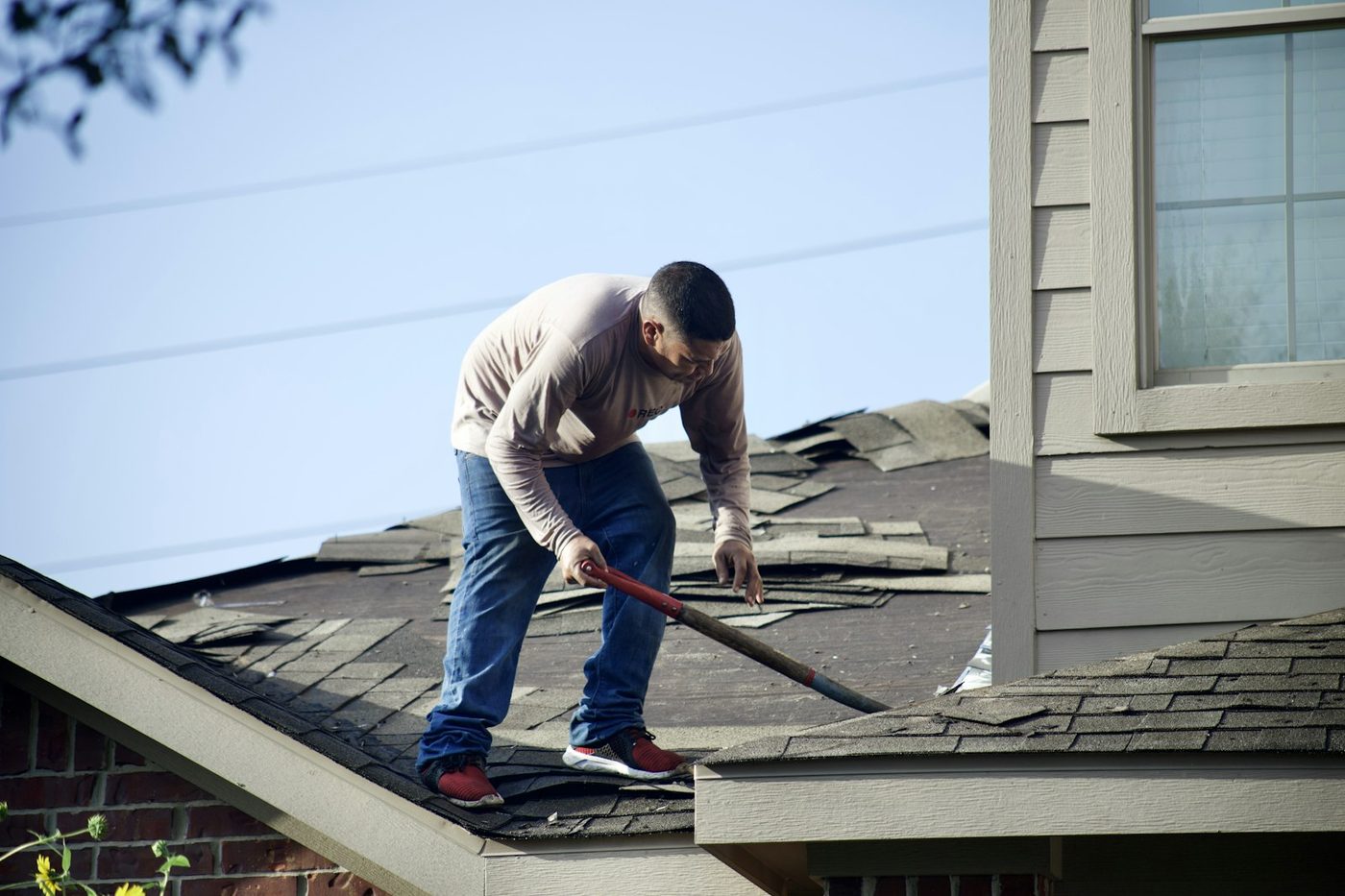
Does Homeowners Insurance Cover Roof Leak Damage? Cause Decides
Standard homeowners policies cover sudden and accidental damage and exclude gradual deterioration and neglect. Applied to a roof, that gives you two broad outcomes.
| What happened to the roof | How insurers usually treat it |
|---|---|
| Wind lifted or tore off shingles or tiles, then rain came in | Typically covered: a sudden event created the opening |
| A tree or branch fell and punctured the roof | Typically covered |
| Hail or another storm impact cracked roofing material | Typically covered |
| Shingles worn out from sun and age, then leaked in the rain | Typically excluded as wear and tear |
| Cracked flashing or sealant that was never replaced | Typically excluded as lack of maintenance |
| A slow leak that went on for weeks or months | Typically excluded, and often tied to a mold problem |
Policies differ, and your declarations page and endorsements control. Still, the pattern holds across most carriers. Insurers pay for the damage a covered event causes, and they decline to pay for the cost of a roof that was already failing. Many policies also treat rain damage to the inside of the home as covered only when a storm first creates an opening in the roof or walls, which is why an adjuster will ask exactly how the water got in.
What Gets Paid When a Roof Leak Is Covered
Coverage usually splits into two parts. Dwelling coverage pays to repair the structure: the damaged roofing, the wet decking and insulation, and the ceiling and drywall below. Personal property coverage may pay for belongings the water ruined, such as furniture or electronics under the leak. The repair that fixes a worn-out roof itself is a separate matter, and a covered claim typically pays for the storm damage, not for a full replacement of an aged roof.
If a leak leaves the home unlivable while repairs are underway, ask your insurer whether your policy includes additional living expenses. Not every policy or situation qualifies, so confirm it in writing rather than assuming.
Why Roof Leak Claims Get Denied
Denials tend to trace back to a handful of reasons, and most of them are visible before you ever file.
- The adjuster attributes the leak to age or maintenance. Insurers may ask for maintenance records and roof age to see whether the damage came from neglect rather than a storm.
- The leak was long-running, so the water damage predates the storm you are reporting.
- The homeowner waited, and the delay let a small problem spread. Many policies expect you to limit further damage.
- The damage was not documented, so there is nothing to show what the roof and ceiling looked like right after the event.
- Permanent repairs were completed before the adjuster ever saw the damage.
The takeaway: a denial citing wear and tear is a statement about what caused the damage. It is not automatically the last word, particularly if the roof was in good shape before the storm and you can show it.
What to Do in the First 24 Hours of a Roof Leak
The California Department of Insurance tells policyholders to protect the property from further harm and says the insurer reimburses reasonable protection costs when you keep the receipts. It also advises against extensive permanent repairs until the adjuster has assessed the damage. Put together, a sensible order looks like this:
- Make the area safe. Move people and valuables away from sagging ceilings, turn off power to any room with water coming through light fixtures, and place buckets under active drips.
- Photograph and video everything before you touch it: the ceiling stain, the attic if you can reach it safely, the roof surface from the ground, and any belongings that got wet.
- Stop more water from entering. A tarp or plastic sheeting over the damaged section is a reasonable emergency measure. Keep the receipts.
- Report the loss to your insurer promptly and write down the date, time, and name of whoever you spoke with.
- Keep damaged materials until the adjuster has seen them, then get written, line-item bids from licensed contractors for permanent repairs.
Our position, after reading how the rules fit together: call the insurer after you document, and repair only after the adjuster has looked, except for the emergency steps that stop new damage. The order protects you. Photos taken before cleanup are the only evidence that the water was new, and a permanent repair done too early removes the thing the adjuster needs to see. Our guide on how to document fire and water damage for your insurance claim walks through what to capture.
How Long Does a Roof Leak Insurance Claim Take in California?
California’s Fair Claims Settlement Practices Regulations set the clock, and it helps to know the dates before you start waiting. After the insurer has your proof of claim, it must accept or deny the claim within 40 calendar days. If it needs more time, it must tell you in writing within that period and send updates every 30 days. Once a claim is accepted, payment is due within 30 calendar days. United Policyholders adds that the insurer should acknowledge your claim within 15 days of notice.
To see how that plays out, suppose you report a leak on Tuesday, November 17 and the insurer has everything it needs that day. It should acknowledge the claim by December 2 and accept or deny it by December 27. A claim that sits past those dates without a written explanation is worth raising with the claims manager. Any denial has to be in writing, explain the reasons, and note that you can ask the Department of Insurance to review it. The Department’s consumer hotline is 1-800-927-4357.
When a Roof Leak Becomes a Water Damage Problem
Even a covered leak can turn into a bigger one if the structure stays wet. Water in an attic soaks insulation and framing, then travels down into ceilings and walls where you cannot see it. Damp materials left alone can grow mold, and mold has its own coverage rules; see whether homeowners insurance covers mold in California before assuming it is included. This is also why the 24-hour window matters for drying, not only for paperwork. If the storm is part of a bigger wet season, our piece on El Niño water damage in Los Angeles covers what to expect and how to prepare.
Premiums and availability are a separate worry for many owners right now, particularly for those on the state’s insurer of last resort. The latest on that is in our look at the California FAIR Plan rate increase.
Reducing the Odds of a Denied Roof Leak Claim
You cannot control the storm, but you can control the record. Before the rain arrives, take dated photos of the roof, gutters, and attic ceiling in their current condition, and keep invoices for any roof work. If a claim is later questioned as wear and tear, a clean pre-storm record is the strongest answer you will have. Clear gutters and downspouts so water does not back up under the roofline, and have a roofer fix known weak spots such as lifted flashing or cracked tiles. Those fixes are maintenance, so they are your cost, but they also remove the argument that the leak came from neglect.
Roof Leak Insurance Questions Homeowners Ask
Is a roof leak covered by insurance if it happened during a storm?
Often yes, when the storm caused a sudden opening such as torn shingles or impact damage. If the roof was already worn and the rain simply found the weak spot, the insurer may call it wear and tear. The cause of the leak, not the storm date, usually decides the outcome.
Will my insurer pay to replace the whole roof after one leak?
Not usually. A covered claim generally pays to repair the storm-damaged area and the interior damage it caused. Full replacement depends on how much of the roof was damaged by the covered event and on your policy terms, so ask the adjuster to explain the scope in writing.
Should I hire a contractor before calling my insurance company?
Call your insurer promptly, and limit what you do beforehand to emergency steps like a tarp. The Department of Insurance advises against extensive permanent repairs until the adjuster has assessed the damage. Get written, line-item bids from licensed contractors for the permanent work.
What if my roof leak claim is denied for wear and tear?
Ask for the denial in writing with the specific policy provision cited. Gather pre-storm photos and maintenance records, then contact the claims manager. You can also ask the California Department of Insurance to review a denial through its consumer hotline at 1-800-927-4357.
Does the insurer have to reimburse my emergency tarp or plastic sheeting?
The Department of Insurance says insurers reimburse reasonable protection costs when you keep receipts. Save every receipt, photograph the work before and after, and confirm with your adjuster in writing how your policy handles temporary repairs so there is no dispute later.
A roof leak claim is easier to win when the story is simple and the evidence is dated: the roof was sound, a storm opened it, you protected the house, and you documented the damage before anything was changed.
References
- California Department of Insurance: Residential Property Claims Guide
- Cornell LII: Cal. Code Regs. Tit. 10, § 2695.7, Standards for Prompt, Fair and Equitable Settlements
- United Policyholders: Insurance Claim Rules in California
- GEICO: Does Homeowners Insurance Cover Roof Leaks?
- The Watchers: Huge waves pummel California coast during strong El Niño (storm and rain forecast)