
Does homeowners insurance cover flood damage in California? Almost never. A standard homeowners policy leaves flood out, and so does the California FAIR Plan, which means water that rises or runs in from outside your house is paid by a separate flood policy or not paid at all. Federal forecasters now put the chance of El Niño lasting into early spring 2027 at 97%, so the useful question is which kind of water could reach your home and which policy, if any, answers for it.
This guide covers the insurance side. Our earlier piece on El Niño water damage in LA covers the property side. Sources below were checked on November 18, 2026, and this is general information rather than legal or insurance advice: your policy wording controls.
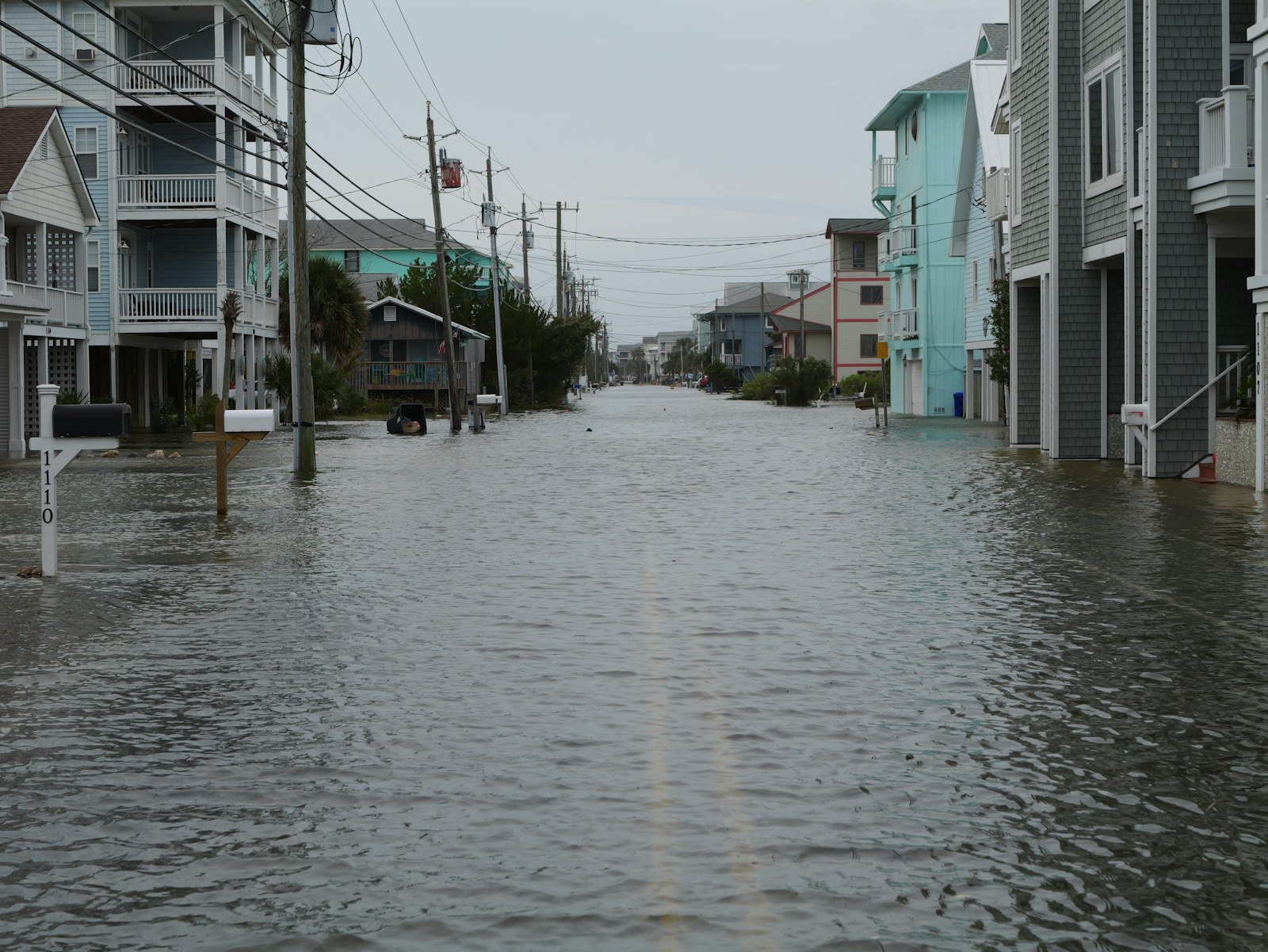
Does Homeowners Insurance Cover Flood Damage? What the Policy Excludes
No. The California Department of Insurance lists flood, earth movement, landslide or mudflow, settling, subsidence, sinkholes and erosion among the standard exclusions in homeowners policies. The same department notes that most policies still pay for accidental physical loss, so the exclusions, not the general coverage, decide a water claim.
The FAIR Plan follows the same pattern. Reporting from Inman this week confirms that standard policies and the FAIR Plan exclude flooding, storm surge and wind-driven wave damage unless the owner buys separate coverage. Only about 1.4% of California homes carry flood insurance, according to a Neptune Flood analysis that Inman cites.
The federal flood program, NFIP, defines flood by the water rather than by your house: partial or complete inundation of at least two acres of normally dry land or of two or more properties, or an unusual and rapid buildup of surface runoff from any source. A single burst pipe is therefore never a flood, while a street of homes taking on runoff can be. That distinction is the first thing an adjuster sorts out.
Which Water Is Covered? A Source-by-Source Table
The table below is our own side-by-side of the California Department of Insurance fact sheet, the FEMA mudflow guidance and the Commissioner’s September 2026 consumer alert. It sorts losses by where the water came from, since that is how both policy types are read.
| Where the water or mud came from | Standard homeowners policy | NFIP flood policy |
|---|---|---|
| Burst pipe or appliance leak inside the home | Usually covered as accidental loss, subject to exclusions | Not a flood |
| Rain through a damaged roof or wind-driven rain | Varies by policy; some cover wind-driven rain (depends on the policy wording) | Not a flood |
| Surface runoff entering from outside | Excluded | Covered when it meets the flood definition |
| Overflowing creek, storm surge or waves | Excluded | Covered |
| Sewer or drain backup | Depends on an endorsement (see sewage backup coverage) | Only if part of a qualifying flood |
| Mudflow caused by flooding | Excluded | Covered when it fits the flood definition |
| Landslide or other earth movement | Excluded | Excluded |
| Mud or debris flow after a wildfire | May be covered if the fire was the efficient proximate cause | Only if it fits the flood definition |
Two rows deserve attention. Earth movement is excluded by both policies, so a landslide has no default payer. And the burn-scar row is the only place where a homeowners policy might answer for mud, which brings us to the gap.
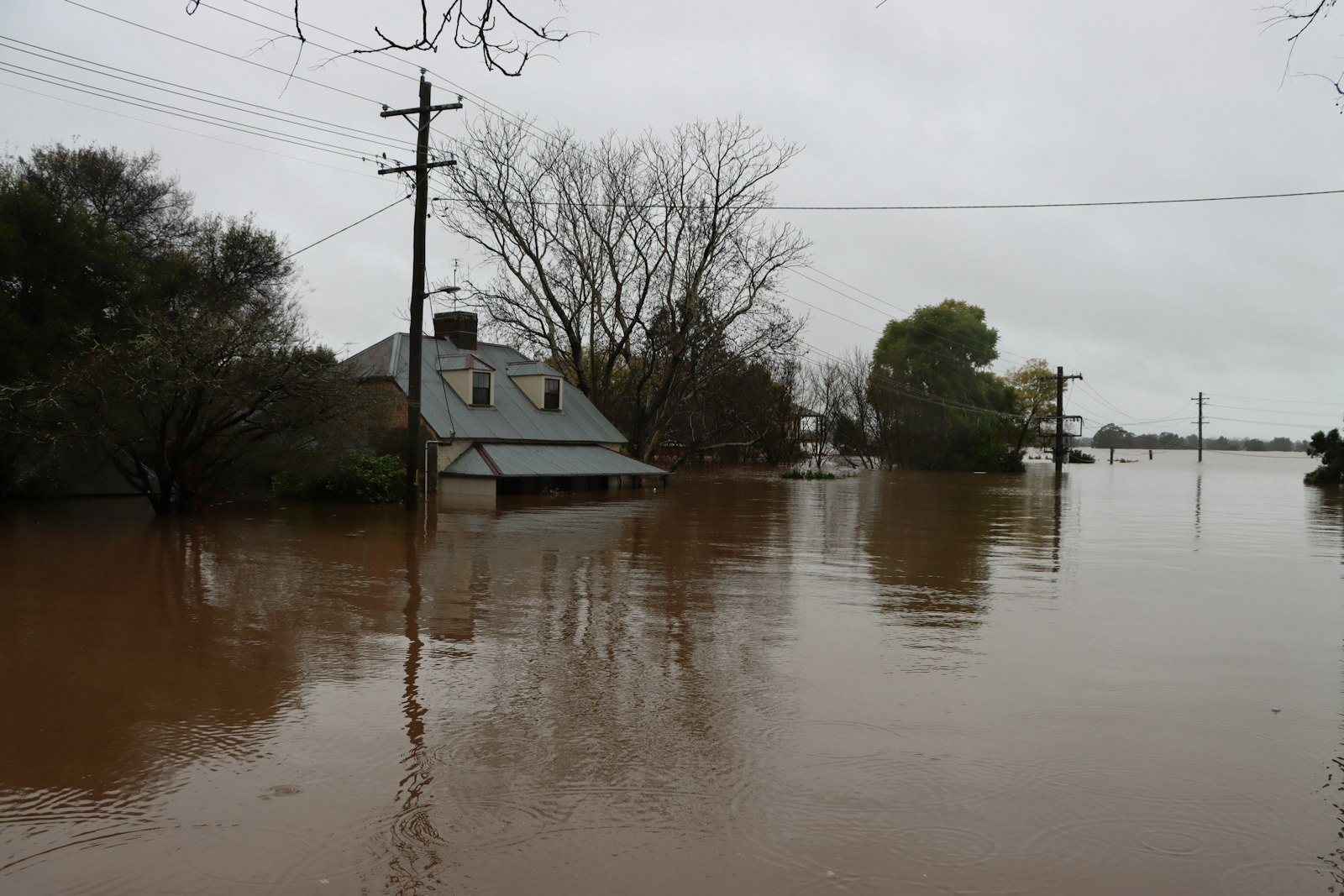
Why Mudslides Fall Between Two Policies
The California Department of Insurance says mudflow and debris flow are generally excluded from homeowners coverage, but that a wildfire, which is a covered peril, can change the answer if it was the efficient proximate cause of the slide. Commissioner Ricardo Lara’s September 2026 alert notes that he has previously reminded insurers of their legal duty to cover mudslide and debris-flow damage caused by wildfires. NFIP, for its part, pays for mudflow only when it counts as flooding and refuses landslide outright.
Read together, those rules mean a home below a recent burn scar is insured against mud only through an argument about causation, and that argument happens after the loss. Our position: if you live near a burn scar, ask your insurer in writing now how it treats debris flow, and keep the answer with your policy. Our guide to flood damage after wildfire covers the property side of that risk. A written answer today is cheaper than a dispute in February.
The 30-Day Wait: A Calendar for This Winter
Most new NFIP policies take effect about 30 days after purchase. The wait does not apply when flood coverage is bought in connection with a mortgage, per FEMA guidance reported by Inman. Private flood insurers often start sooner, commonly within 1 to 15 days, though availability and pricing vary by address.
Counting forward from today, November 18, gives a calendar nobody seems to have laid out. These are our own date calculations from the dates Inman reports, so confirm your actual start date with your agent.
- November 22 to 27 king tides: a standard NFIP policy bought today is not yet in force; it would start around December 18.
- December 11 NFIP authorization deadline: Inman reports that a lapse would block new policies on high-risk-zone homes until Congress acts, so buying before this date avoids that risk.
- December 22 to 26 king tides: a 30-day policy would need to be bought by about November 22 to be in force.
- January onward: Inman cites UC researcher Daniel Swain placing peak coastal flood risk between late November and late January.
The odds of a record-strength El Niño were trimmed on November 12 to about 60%, from 83% in October. That downgrade does not change this arithmetic, because the waiting period is the same whichever forecast turns out right. Our view: a policy bought this week is protection for January through March rain, not for the first storm, and anyone who needs cover sooner should ask about private policies with shorter waits. Note that king tides are a coastal hazard; inland LA homes face runoff and burn-scar risk instead, and the wait applies to them equally.
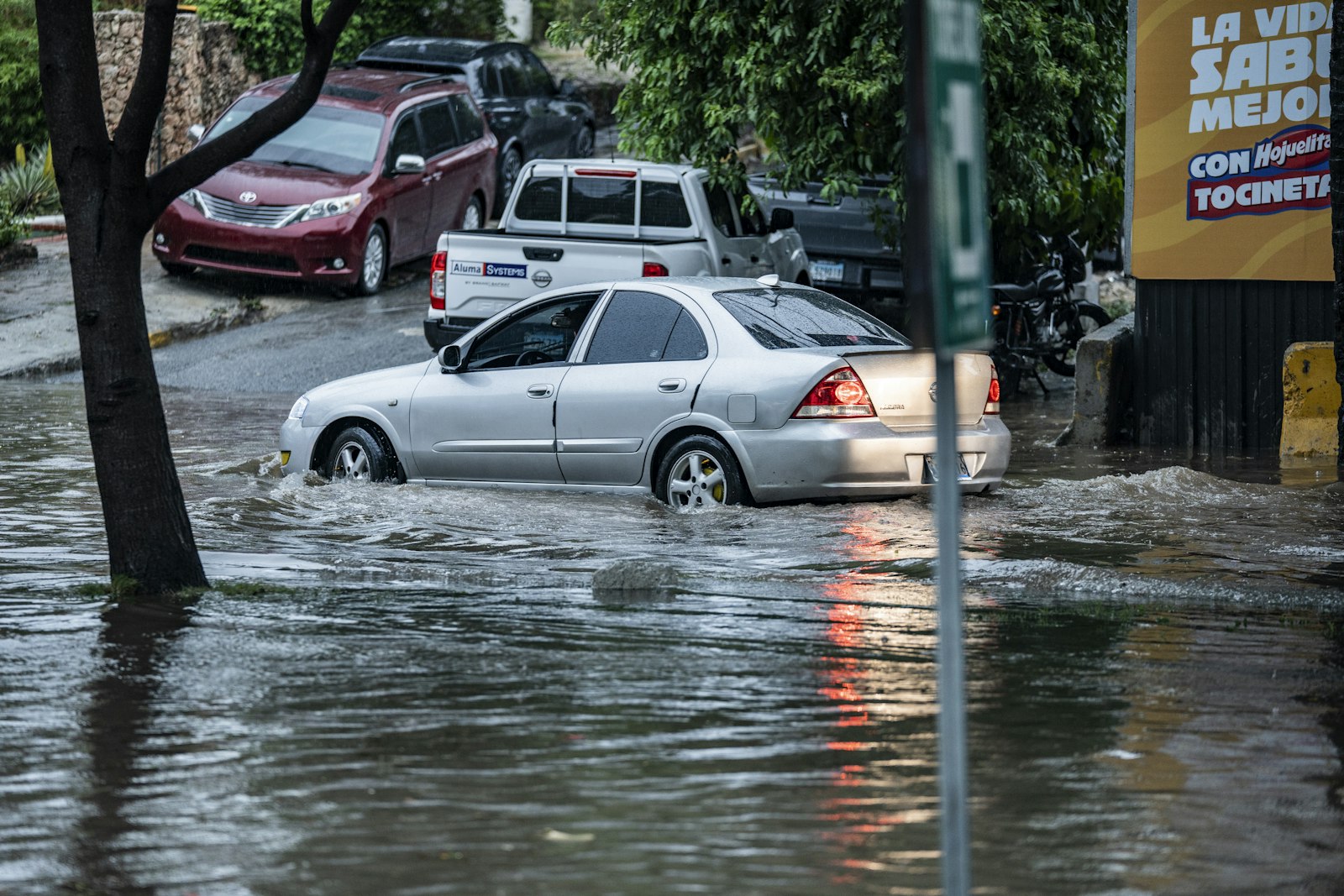
Other Policies That May Pay After a Flood
Several other policies sit alongside the homeowners policy, and each answers a different loss.
- Auto insurance: comprehensive coverage can pay for flood damage to a vehicle, but it is optional in California, so check your declarations page.
- Renters insurance: a landlord’s policy does not cover a tenant’s belongings, and flood coverage for them needs a separate policy.
- NFIP limits: building coverage caps at $250,000 per residence, according to AM Best as cited by Inman, and contents coverage carries its own deductible.
- Disaster aid: if a federal emergency is declared, FEMA aid or SBA low-interest loans may be available even without flood insurance, according to the California Department of Insurance.
What to Do in the First Days After Floodwater Enters
The order of steps matters because each one protects the claim. Stay out of any area with standing water or damaged electrical until it is safe. Then photograph and video the damage before anything is moved, following our guide to documenting fire and water damage for an insurance claim.
Report the loss to the right party. For a homeowners claim, file with your insurer first. For a flood policy, report the loss immediately to your agent or the NFIP insurer; NFIP assistance is available at 1-800-621-3362. If your homeowners insurer denies the claim, it must explain why and identify the specific policy language, and you can then file a Request for Assistance with the California Department of Insurance at 800-927-4357. The department has no jurisdiction over NFIP disputes, which go through FEMA’s appeal process.

Insurers and agents must provide your policy and all endorsements free within 30 days of a request, so ask before storm season is at its peak. Start drying wet materials as soon as it is safe and keep every receipt; wet drywall and insulation left damp for days is where a flood claim turns into a mold problem.
Common Mistakes With Flood Coverage
Buying only after a storm is forecast is the most expensive error, since the policy will not be in force. A second is assuming that because a roof leak was covered, rising water will be too; the exclusion applies to the water’s source, not to the damage it leaves. A third is treating a flood policy as mudslide protection, when landslide is excluded from NFIP entirely. The last is mixing up building and contents coverage, which carry separate limits and deductibles, so a policy that pays for walls may pay nothing for furniture.
Flood Coverage Questions Homeowners Ask
Does the California FAIR Plan cover flood damage?
No. The FAIR Plan excludes flooding, storm surge and wind-driven wave damage, the same as standard homeowners policies. To be covered for those losses, you need a separate flood policy, either through the federal NFIP or a private insurer, bought ahead of the event rather than after it begins.
How long before a new flood insurance policy starts?
Most new NFIP policies take effect about 30 days after purchase. The wait does not apply when the coverage is bought in connection with a mortgage. Private flood insurers often have shorter waits, commonly 1 to 15 days, although availability and pricing vary by property, so ask your agent for the exact start date in writing.
Does flood insurance cover mudslides?
Partly. An NFIP policy covers mudflow when it fits the standard flood definition, but it excludes landslides and other earth movement. Homeowners policies generally exclude mudflow too, though damage from a mudslide caused by a wildfire may be covered if the fire was the efficient proximate cause of the loss.
Does car insurance cover flood damage?
Comprehensive coverage typically covers flood damage to a vehicle, but comprehensive is optional in California and not every driver carries it. Check your auto policy’s declarations page now, because a flooded car is not paid under the homeowners or flood policy that covers the house.
Flood coverage in California turns on three things: where the water came from, whether mud counts as flood or as earth movement, and whether the waiting period has run. Reading the declarations page and the endorsements this week puts those three answers in your own hands, which is worth doing whether the winter proves historic or merely wet.
References
- California Department of Insurance: Flood, Mudslide, Landslide and Sinkhole Consumer Fact Sheet
- California Department of Insurance: Consumer Alert, Commissioner Lara urges Californians to review insurance coverage before likely historic El Niño storms hit (September 2026)
- FEMA: NFIP Offers Protection from Potential Mudflow Losses
- Inman: El Niño Flood Insurance, What Coastal Real Estate Agents Should Know (November 16, 2026)
- Live Insurance News: California Just Hit 97% Odds for a Historic El Niño (November 2026)