
An automatic water shut off valve is a plumbing device that closes your home’s main water line when it detects a leak, so a burst pipe stops after minutes instead of flooding the house for hours. Installed, a whole-house unit typically runs about $700 to $1,300 in California, and a few insurers now ask for one on older or higher-value homes. Whether it earns its keep depends less on the premium discount than on your plumbing, your policy, and how often the house sits empty.

What an automatic water shut off valve does, and what it cannot do
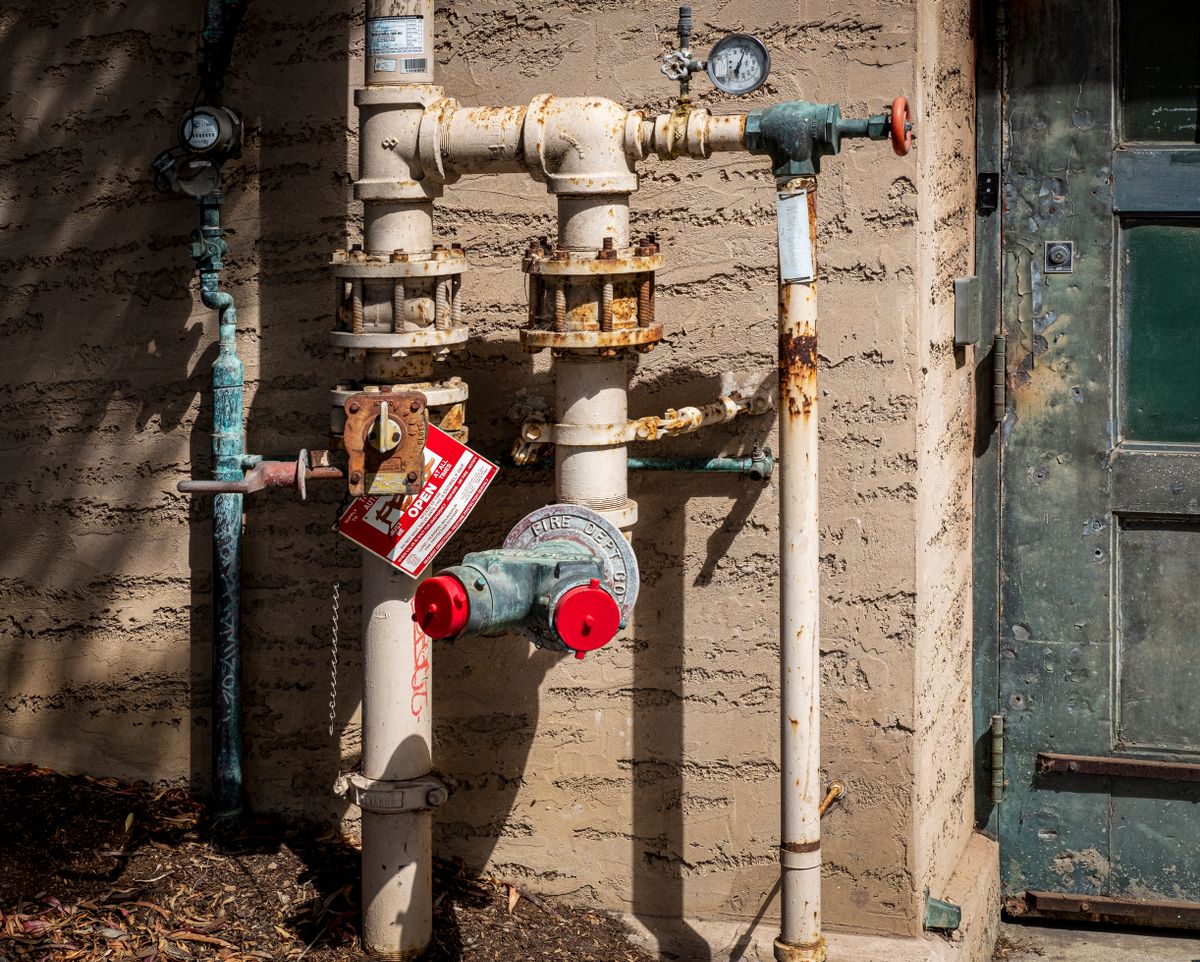
An automatic water shut off valve sits on the main supply line, usually near where water enters the house. A monitor watches flow and pressure, and when it sees a pattern that looks like a leak, such as water running steadily for hours while nobody is home, it closes the valve and sends an alert to your phone. The best-known example is the Moen Flo, which Moen says learns your household’s usage with its FloSense software and can shut off water on its own. A plumber is required to install it.
It is worth being precise about the limit. The valve only protects the plumbing downstream of where it is installed. Moen’s own deductible guarantee, for instance, excludes leaks between the water meter and the device. It also does nothing about water that does not come from your supply pipes: a leaking roof, a clogged gutter, groundwater seeping through a slab, or a sewer line backing up. Those need different protection, which we cover below.
Which California insurers ask for an automatic water shut off valve?
No building code in the United States currently requires a smart shutoff valve, according to a 2026 review of the model codes. Manual shutoff valves are required; automatic ones are not. The pressure comes from insurers, and it is uneven.
Trade and broker reports say Farmers requires a shutoff device at renewal on some California homes: those over 30 years old whose plumbing has not been updated in 20 years, and those with a replacement value of $1 million or more. State Farm is reported to require one on California policies with replacement costs of roughly $2 million to $4 million, a rule that began in February 2023. Both reports come from broker summaries rather than from the carriers themselves, so treat them as a signal to ask your agent, not as the final word.
On the carrot side, Mercury Insurance has run a leak-detection discount program in California and eight other states, with average savings reported at about $75 a year for a monitor-only device and about $100 for one that shuts the water off. Separately, Moen sells its Flo through insurer partnerships at a reduced price if you agree to share usage data with your insurer. State Farm also publishes hardware discount codes valid through December 31, 2026, which lower the price of the device rather than your premium.
If your insurer does require one, get the requirement in writing, along with the compliance deadline and what happens if you miss it. A missed deadline can end in non-renewal, and for many LA homeowners the fallback is the FAIR Plan, which we looked at in our guide to the California FAIR Plan rate increase.
Automatic water shut off valve types and installed cost
There are three basic designs. Point-sensor systems use small sensors under sinks, next to the washing machine, and by the water heater, and close a valve on the main line when one gets wet. They react quickly but only cover the spots where a sensor sits. Valve-body systems measure flow and pressure at the main and can catch a leak anywhere in the house, at the cost of occasional false alarms when your usage changes. Hybrids combine both.
| Option | Device price | Installation | Notes |
|---|---|---|---|
| Moen Flo Shutoff | About $490 | $200 to $800, depending on the source and your plumbing | Optional FloProtect plan is $5 a month; plumber required |
| Phyn Plus (2nd gen) | $580 to $700 | Reported from $600 up; larger jobs can cost far more | No subscription; ranked first for accuracy in a Utah State University lab comparison |
| Flume 2 or StreamLabs Monitor | About $200 | DIY clamp-on | Monitor and alert only, no automatic shutoff |
Prices come from published guides and vendor pages and vary by pipe size and brand, so get a written quote from a licensed plumber. If there is no outlet near the main line, a licensed electrician may add several hundred dollars, and a job on older galvanized pipe can cost more than the table shows. Ask whether the plumber will pull a permit; a like-for-like valve swap often does not need one, but re-piping the main usually should be inspected.
Does an automatic water shut off valve pay for itself?
Most articles stop at the price tag. We ran the arithmetic from the published numbers instead, and it points somewhere less obvious than “it saves you money.”
The discount alone almost never pays it back. Take an installed cost of $700 to $1,300 for a Moen-class device. Insurer credits are reported at roughly $75 to $150 a year. If you also keep the $60-a-year FloProtect plan, your net gain is $15 to $90 a year. Divide, and the payback runs from about eight years to more than eighty, and it assumes your insurer offers a credit at all. Several of the guides we read say the discount may be zero, or may apply only to one part of the policy.
The case rests on avoiding one claim. The average homeowner water damage claim is about $13,954 nationally, according to NAIC data cited by a 2026 analysis, and a claim can raise your premium by 10% to 40% for three to five years depending on the source. Against that, a $700 to $1,300 install is 5% to 9% of one average claim. Add ten years of the monthly plan and the total is $1,300 to $1,900, or 9% to 14%. In plain terms: if the device gives you better than roughly a one-in-ten chance of preventing an average-size water loss over a decade, it comes out ahead before counting the premium increase you avoid, the deductible, and the weeks of disruption.
That national claim figure is not an LA number, and the manufacturer’s claim that the device cuts claim frequency by up to 96% comes from Moen’s own data with an insurer, not from independent research. So the honest conclusion is that the math is favorable for some homes and marginal for others. Which kind of home you have matters more than the brand you buy.
When we think an automatic water shut off valve is worth installing
Our position, given the numbers above, is that an automatic water shut off valve is a good purchase when the odds of a large unattended leak are higher than average, and an optional one when they are not.
It makes the most sense in older homes with original supply lines, in houses that sit empty for stretches (second homes, rentals between tenants, owners who travel), in two-story homes where a failure upstairs soaks the ceiling below, and in any house where a prior water claim is already on the record. Slab and under-floor plumbing is a particular worry in Southern California, and a hidden supply leak can run for a long time before anyone notices, as we explain in our guide to slab leak water damage. An automatic water shut off valve will not find the leak in the slab, but it can turn a slow, continuous loss into an alert.
It makes less sense for a small, newer home that is occupied all day, where the plumbing is modern and a leak would be noticed within hours. In that case a $200 monitor-only device, or simply knowing where your manual main shutoff is, covers most of the benefit for a fraction of the price.
Be careful with one expectation. If a water heater fails, the valve closes the supply and stops new water from entering, but the water already in the tank can still end up on the floor. What the valve prevents is the long, continuous flow, which is the expensive part. Our water heater leaking guide covers what to do in the first hour.
What an automatic water shut off valve will not protect against this winter
California’s Insurance Commissioner issued a consumer alert on September 22, 2026, urging residents to review coverage before a storm season the state has called likely historic, with the Governor declaring a state of emergency over El Niño. A shutoff valve is not an answer to that risk. Standard homeowners policies typically exclude flooding, mudslides, and debris flows, unless a recent wildfire or another covered peril directly or indirectly caused the damage. Flood policies generally take effect 30 days after purchase, so waiting for the storm is too late.
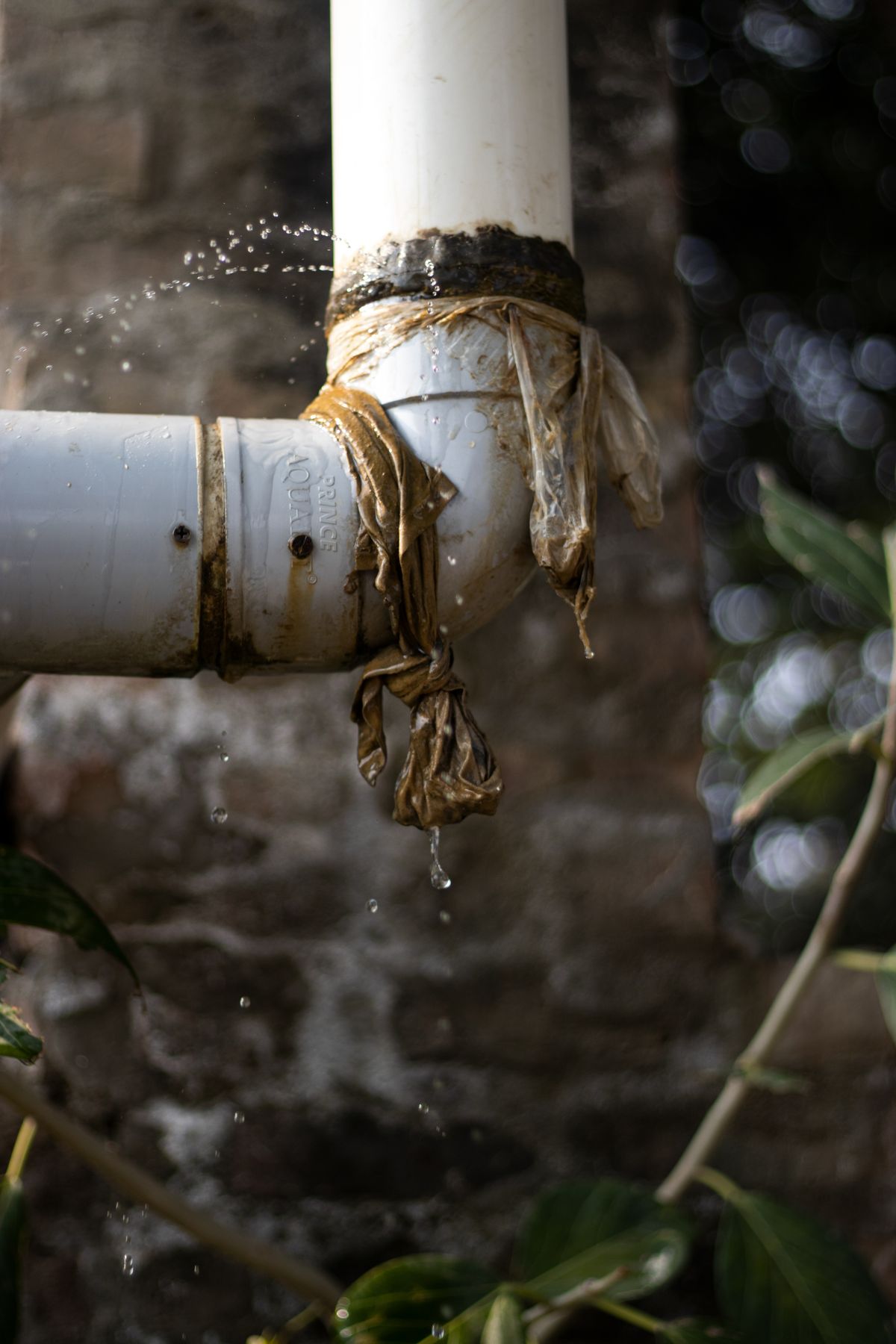
Think of it as two separate lists. Water from inside your pipes is a shutoff-valve problem. Water from the sky, the hillside, or the sewer is an insurance-coverage and drainage problem. If you do have a loss of either kind, photograph everything before cleanup begins; our walkthrough on how to document fire and water damage for an insurance claim lists what adjusters look for.
How to buy and install an automatic water shut off valve without overpaying
- Ask your insurer first. Find out whether a device is required, which models qualify, and whether the credit is a percentage of the whole premium or of one coverage line. Ask for the expected dollar amount.
- Confirm the proof you must submit. Some programs only count a device registered through a partner. An installed but unreported device can earn nothing.
- Get a written quote from a licensed plumber that includes the valve, labor, any electrical work, and whether a permit is included.
- Choose monitoring that fits the house. Valve-body units cover every fixture; add leak sensors at the water heater and washing machine if those are your weak points.
- Test it after installation and confirm the app is connected and alerts reach your phone. Moen’s deductible guarantee requires the device to be online and paired.
Frequently asked questions
Is an automatic water shut off valve required by law in California?
No. Neither the California building standards nor the model plumbing codes require a smart shutoff valve in an existing home. Any requirement comes from your insurance company at policy renewal, so check your policy documents and ask your agent.
How much does it cost to install an automatic water shut off valve?
Plan on roughly $700 to $1,300 installed for a whole-house unit such as the Moen Flo, with the range driven by the device, the plumber’s labor, and whether electrical work is needed. Monitor-only devices cost about $200 and are often installed by the homeowner.
Will it lower my homeowners insurance premium?
Possibly. Reported credits run about $75 to $150 a year, and some insurers offer nothing. Ask for the dollar amount in writing before you buy, because a percentage discount may apply to only part of the policy.
Can I install an automatic water shut off valve myself?
Monitor-only devices clamp onto the pipe and are DIY-friendly. A shutoff valve means cutting into the main line, and Moen states that a plumber is required for the Flo Shutoff. A professional install also helps if you ever need to document the work for an insurer.
An automatic water shut off valve is a modest purchase against a large, uncertain loss, and the sensible way to decide is to price your own risk rather than the discount. If your plumbing is old, your house is often empty, or your insurer is already asking, it is likely worth doing this season. If none of those apply, a cheaper monitor and a labeled manual shutoff will do most of the same job.
References
- California Department of Insurance: Commissioner Lara urges Californians to review insurance coverage before historic El Niño storms (September 22, 2026)
- Call The Local: Water Shutoff Device Insurance Discounts Explained
- AI Home Building: Insurance Smart Water Shutoff Mandate
- This Old House: Smart Automatic Water Shut-Off Valves
- Flo by Moen: Insurance partner program