
Does homeowners insurance cover mudslides in California? Usually not. A standard homeowners policy excludes mudslides, mudflows, debris flows and landslides, along with flood and other earth movement. The big exception matters right now for Los Angeles County: when a wildfire is what set the slide up, the California Department of Insurance says the loss may be covered under your homeowners policy.
That exception is why this question is back in front of homeowners this week. Evacuation warnings were issued for the Palisades, Sunset and Hurst burn scars ahead of the November 18 to 20 storm, with forecasters citing heavy rain on steep, recently burned slopes. If mud reaches your property, the way you describe and document how it got there can change which policy responds.
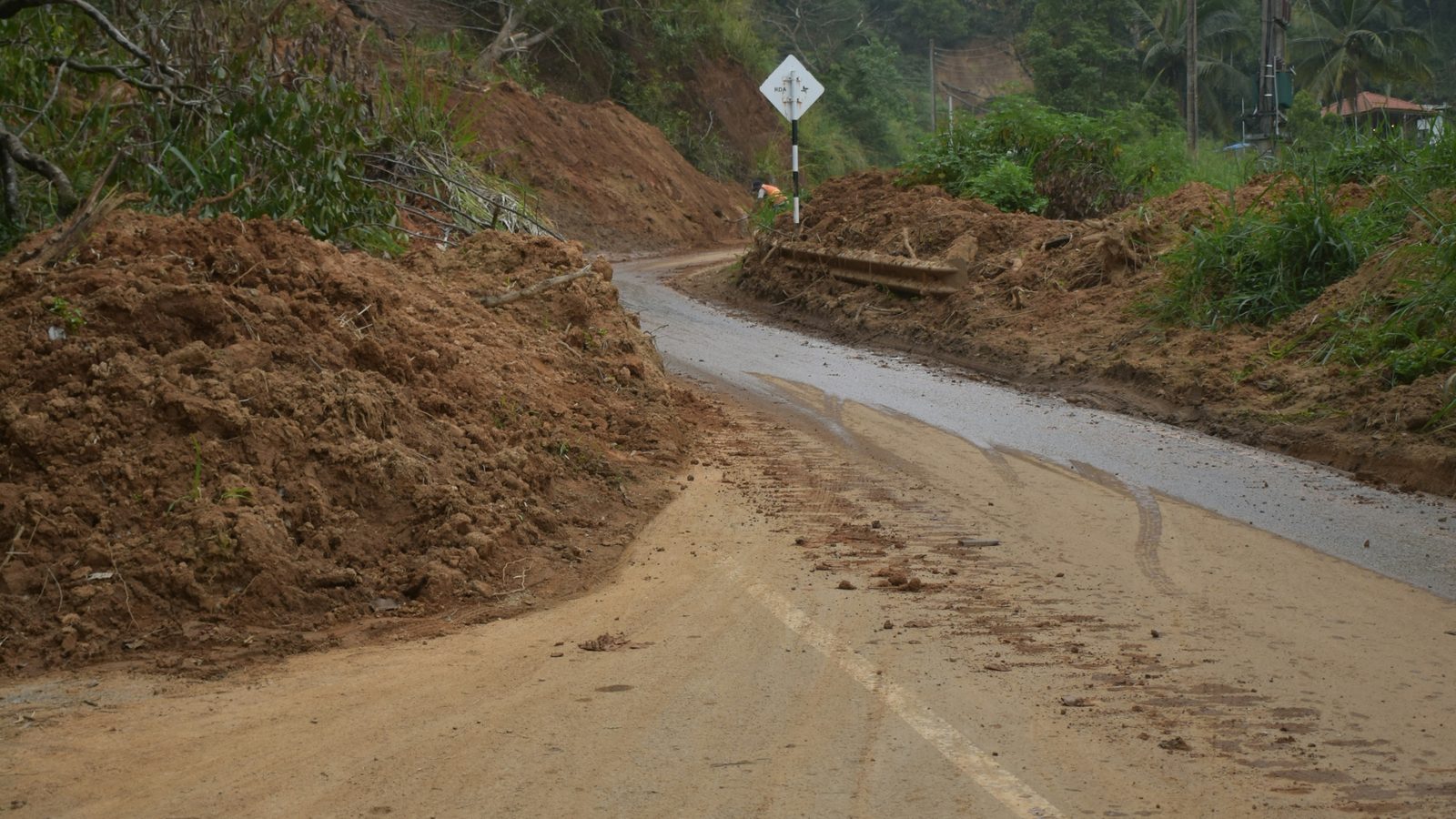
Mudslide, mudflow, debris flow and landslide: the words decide the coverage
Insurers do not treat these four terms as synonyms, and the policy language follows the distinction. FEMA’s flood program describes a mudflow as a river of liquid mud moving over normally dry ground, usually carried by water. A mudslide or landslide is earth or rock sliding downhill under gravity without enough liquid to flow. A debris flow is fast-moving water and mud carrying rocks, trees and sometimes vehicles or buildings.
Your policy does not care what the news called the event. It cares which category the adjuster puts it in. A flow of wet mud down a canyon street and a slope that slumped into a backyard can land on opposite sides of the coverage line, which is why the next section matters.
Which policy pays for which event
| What happened | Standard homeowners policy | Flood policy (NFIP or private) |
|---|---|---|
| Liquid mudflow reaching the house | Generally excluded | Generally covered, if the policy was in force |
| Landslide or slope failure | Generally excluded | Excluded under the NFIP; check private wording |
| Debris flow after a wildfire | May be covered, because the fire can be the cause that started the chain | Covered only if it qualifies as flood or mudflow under the policy |
| Rising water from a storm | Excluded as flood | Covered, subject to limits and waiting period |
| Rain entering through a damaged roof | Often covered, depending on the cause | Not the right policy |
Read across the rows and a pattern appears. Neither policy type is built to catch everything on its own. The homeowners policy is the one that can respond to a wildfire chain of events, and the flood policy is the one that responds to liquid mud and rising water. A home on a burn-scar slope can need both, and the gap between them is where claims get disputed.
Does homeowners insurance cover mudslides after a wildfire?
The California Department of Insurance explains that most homeowners policies exclude flood, mudflow, landslide and similar earth movement, yet may still pay when a wildfire was the efficient proximate cause of the later slide. In September 2025 the Insurance Commissioner reminded insurers of their legal duty to cover mudslide and debris-flow damage caused by recent wildfires. The department’s own fact sheet is more careful and says coverage may exist depending on the facts.
Those two statements are not in conflict, but they are not identical either. The notice sets the expectation that insurers cannot wave away a burn-scar loss just because mud was involved. The fact sheet is the reminder that the outcome still depends on the file you build. In practice, a claim that says “mud damaged my house” starts weaker than one that says “the wildfire stripped the slope above my house, and the first heavy rain brought it down.”
Some commentary online goes further and says mudslides are not covered by any policy. That overstates it. It ignores the wildfire exception and the flood-policy route for liquid mudflow, so treat blanket claims like that with caution.
The 30-day clock most homeowners miss
Flood coverage under the NFIP generally takes effect 30 days after purchase, with an exception when a lender requires it as part of buying a home. Private flood policies may have shorter waits, but they still have one. The practical result is simple: a flood policy bought the day the evacuation warning shows up will not respond to that storm. If you live below a burn scar, the useful time to ask about flood or mudflow coverage is the dry season, not the week of the forecast.
Homeowners with a California FAIR Plan policy should read the exclusions carefully. One surplus-lines broker notes that FAIR Plan coverage can leave gaps for mudflow, flood and earthquake, and that a difference-in-conditions policy can fill some of them. That broker sells insurance, so confirm anything it says against your own policy documents and a licensed agent. Our guide to the California FAIR Plan rate increase looks at the recent price increase for that coverage.
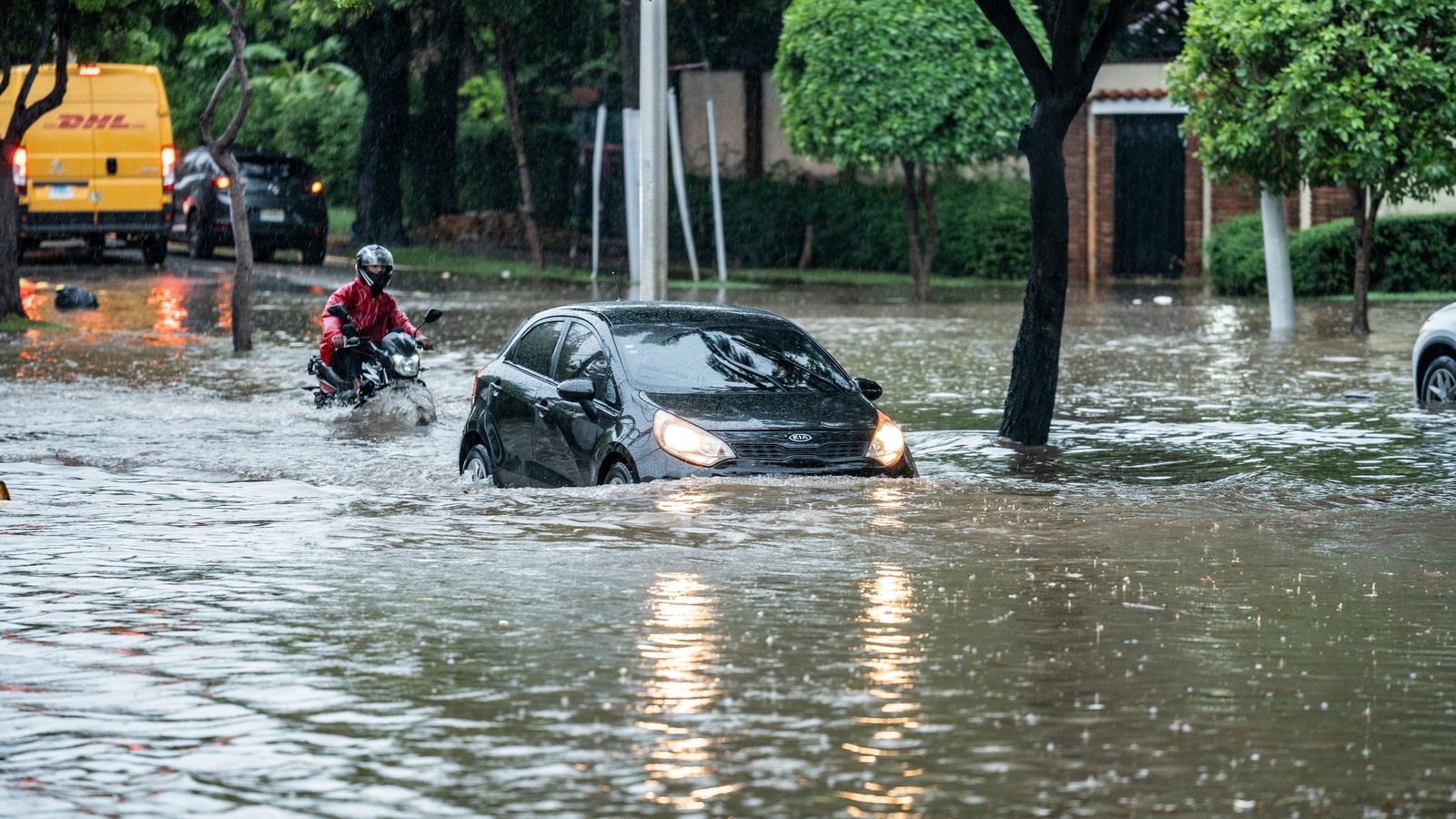
What to do in the first days after mud reaches your home
Safety comes before paperwork. Stay out of any property under an evacuation order, and do not walk into standing mud that may hide debris, sharp objects or contaminated water. Once it is safe, the order of operations below protects both your health and your claim.
- Photograph and video the scene before anything is moved, including the slope above the property, the mud line on walls, and damaged belongings. Capture the burn scar itself if it is visible, since that is evidence of the cause.
- Call your insurer promptly and report the loss in plain facts. Say what you saw and when. Do not guess at the cause, the cost or the repair scope.
- Ask for the denial reason and the exact policy language in writing if the claim is refused. California requires that, and you can request a copy of your full policy and endorsements, which the insurer must provide within 30 days of your request.
- Start emergency mitigation, such as removing mud and water and drying structural materials, and keep every receipt. Wet mud left in a building invites mold, so waiting for the claim decision can make the damage larger.
- If a denial seems wrong, file a Request for Assistance with the California Department of Insurance. Disputes over NFIP flood claims go through FEMA instead, because the state department has no authority over them.
Our existing guide on how to document fire and water damage for your insurance claim walks through the photo and inventory routine in more detail, and the same habits apply to mud.
A position worth stating: document the sequence, not just the damage
Most homeowner guides tell you to photograph the mess. For a burn-scar loss, that is the smaller half of the job. The claim turns on cause, so the evidence that wins is a timeline: the date of the fire, any photos of the bare slope afterward, the date and amount of the rain, and the date the mud arrived. Gather weather reports and fire-incident records alongside your photos. If the insurer later argues that the slide would have happened anyway, that timeline is what answers it.
It is also worth separating the three kinds of damage you may have. Mud and structure damage, water inside the home, and smoke or ash residue from the original fire can each fall under different coverage. Splitting them in your own notes makes the adjuster’s job easier and keeps one denial from swallowing the rest.
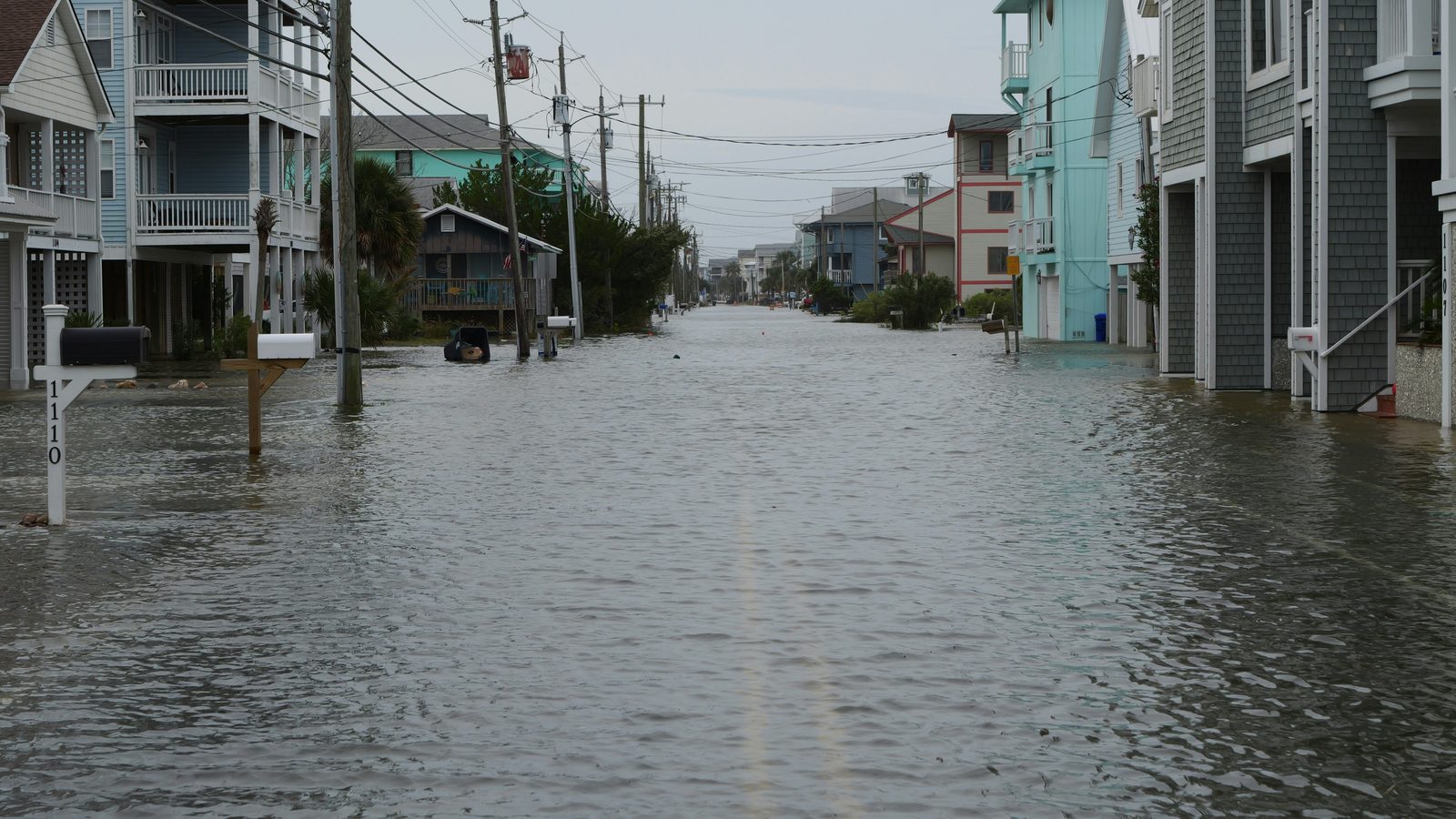
Reducing the risk before the next storm
Mud damage is easier to prevent than to claim. If you live downhill from a burn scar, sign up for your county’s emergency alerts and know your evacuation route before a warning is issued. Keep a home inventory on your phone, store your policy where you can reach it online, and check whether your lot drains toward or away from the structure. Our piece on flood damage after wildfire near LA burn scars covers the physical side of protecting a property, and the flood damage coverage guide explains how the separate flood policy works.

Frequently asked questions
Is a mudslide covered by flood insurance?
Liquid mudflow is generally covered by an NFIP flood policy, while a landslide or slope failure is excluded. Private flood wording varies, so ask your agent which definition your policy uses before a storm, not after.
Is a wildfire-caused mudslide ever covered under a homeowners policy?
It may. California regulators say damage caused by a recent wildfire, including later mudflow or debris flow, can be covered under a homeowners policy. The result depends on the facts, so document the fire, the burned slope and the rain that followed.
How long before flood insurance starts working?
NFIP flood policies generally take effect 30 days after purchase, unless a lender requires the coverage at a home purchase. A policy bought after a storm warning will not cover that storm.
Who do I contact if my mudslide claim is denied?
Ask the insurer for the reason and the policy language in writing. For homeowners policy disputes, file a Request for Assistance with the California Department of Insurance. For NFIP flood claims, appeal through FEMA.
The short version for a burn-scar homeowner is that the homeowners policy and the flood policy answer different questions, and the story of how the mud got there decides which one applies. Keep the timeline, keep the receipts, and read the exclusions before the rain arrives. This article is general information, not legal or insurance advice, so confirm details with your insurer, a licensed agent, or an attorney.
References
- California Department of Insurance: Consumer Fact Sheet – Insurance Coverage for Flood, Mudflow, Mudslide, Debris Flow, Landslide After a Wildfire
- California Department of Insurance: Commissioner Lara alerts Californians about coverage for floods and mudslides from burn scars (September 19, 2025)
- ABC7 Los Angeles: Evacuation warnings issued for Southern California burn scar areas ahead of storm
- AccuWeather: Mudflows and mudslides: Will your insurance cover home damage caused by these natural disasters?
- Kin Insurance: California Mudslide Insurance: What’s Covered and What’s Excluded (insurer-published)